Why Consider a Transformer with an Integrated Inductor?

Most multi-pulse rectifier systems use separate transformers and inductors. That's two components to specify, two to purchase, two to install, and two potential failure points. When a 12-pulse rectifier needs phase-shifting and current smoothing, you're looking at a transformer plus line reactors on each leg. It works, but it's not the only way.
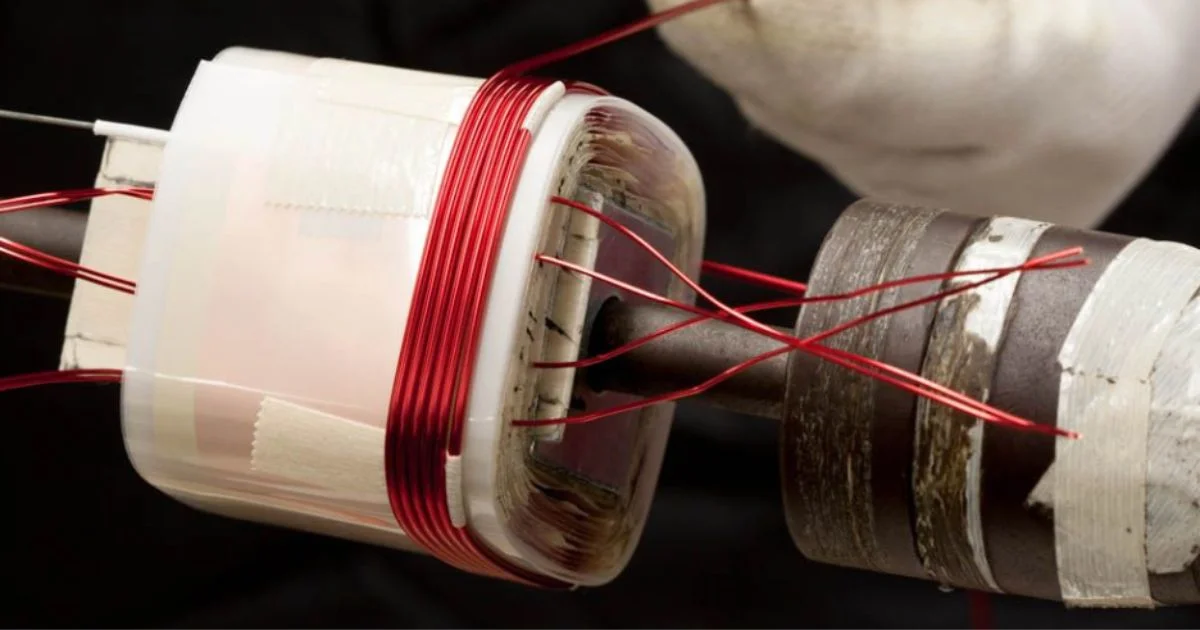
A transformer with an integrated inductor combines both functions into one assembly. The transformer handles voltage conversion and phase shifting while the inductor smooths ripple current, all in a single unit. These integrated magnetic components require fewer connections, less cabinet space, and a single piece of documentation instead of two.
For systems where board space matters or where reducing component count improves reliability, it's worth understanding what you gain and what you trade off.
What Integrated Magnetics Actually Do
A standard 12-pulse system uses a phase-shifting transformer to create the 30-degree offset between winding groups, then adds separate line reactors to manage harmonic currents. Each reactor sits between the transformer secondary and the rectifier bridge, smoothing current ripple and limiting fault current. Multi-pulse rectifier configurations reduce harmonic distortion to levels that meet IEEE 519 requirements.
Integrated magnetics fold that inductance directly into the transformer's primary winding. The magnetic circuit handles both voltage transformation and energy storage in one core structure. You still get phase shifting from the secondary configuration and current smoothing from the built-in inductance, it's just packaged differently.
The core operates in partial saturation during normal operation, which is why the design calculations differ from those for standard transformers. Get the inductance value wrong, and you'll either see excessive voltage drop under load or insufficient ripple reduction. That's not something you fix in the field.
Where Space and Weight Drive Decisions
Cabinet real estate costs money. A typical rectifier system with separate transformers and reactors can occupy significantly more panel space than an integrated design. For marine installations where every cubic foot matters, that difference determines whether a system fits in the allocated compartment.
Weight follows the same pattern. Offshore platforms and aviation applications track mass budgets carefully. When you're comparing a transformer plus multiple reactors versus a single integrated unit, the total weight stays similar, but you're handling one piece instead of several during installation.
Ground-based industrial systems care less about this. If you've got floor space and a standard electrical room, separate components work fine. But when you're designing skid-mounted equipment that ships internationally or fitting power systems into tight mechanical envelopes, integrated magnetics start making sense.
Electrical Performance Trade-Offs
Integrated designs can't match the flexibility of separate components. When inductance sits in the primary winding, you're locked into that value. A standalone reactor lets you swap in a different inductance if load characteristics change, which is common in systems where equipment gets added over time.
Fault current behaviour differs too. Separate reactors limit fault current on the secondary side, so a short downstream sees impedance from both the transformer and the reactor. Integrated inductance provides some limiting, but less than dedicated reactors would. For applications where fault current coordination matters (protective relay settings, breaker ratings), you need to account for that difference upfront.
Efficiency varies by operating point. At full load, integrated magnetics often match or slightly exceed separate components because you've eliminated connection losses and reduced total copper length. At light load, the core loss from partial saturation can work against you. If your system runs at reduced load most of the time, separate components might deliver better annual efficiency.
When Reliability Concerns Point Toward Integration
Every electrical connection introduces a failure point. Terminal blocks corrode, wire insulation degrades, and mechanical vibration loosens hardware. A typical 12-pulse system with separate reactors has more terminations than an integrated design. In mining operations or marine environments where maintenance windows are expensive, that matters. Avoiding 3-phase inductor failure from loose connections or environmental degradation becomes easier when there are fewer termination points to monitor.
Fewer components also mean simpler documentation. One assembly drawing, one test report, one Certificate of Compliance. When you're managing hundreds of equipment records or dealing with regulatory inspections, streamlined paperwork isn't trivial.
Environmental testing becomes straightforward, too. Thermal cycling a complete integrated assembly verifies performance under temperature extremes in one test. Testing performed as required by the application catches these integration issues before the equipment ships.
Cost Considerations Beyond the Purchase Price
An integrated unit costs more than a basic transformer alone but comparing list prices misses the point. You're replacing a transformer plus reactors, so the relevant comparison is total system cost. For 12-pulse and higher configurations, integrated designs often deliver savings through reduced installation labour.
Long-term costs split based on your facility. High-vibration environments see more connection failures, which tilts toward integrated designs. Clean industrial installations don't see the same benefit because separate components are easier to replace individually.
Design Constraints You Need to Know
Not every application suits integrated magnetics. If your system needs adjustable inductance or you're designing for a load profile that might change, separate components give you options.
Thermal management becomes even more critical. The combined losses from transformation and inductive energy storage are concentrated in a single core. If your ambient temperature runs high or ventilation is limited, you might need larger core cross-sections or active cooling that separate components wouldn't require.
Lead times are longer when you're building a custom integrated assembly than when ordering catalogue reactors. When you're replacing failed equipment and production is down, that timing matters.
Application Fit: Where It Works and Where It Doesn't
Variable frequency drive installations with space constraints benefit most. A typical VFD system with a 12-pulse rectifier saves cabinet volume with integrated magnetics, which translates to smaller enclosures and lower installation costs. The load profile is predictable, maintenance access is reasonable, and the electrical characteristics are well-defined.
Marine and offshore applications heavily rely on integrated designs. Shipboard UPS systems, offshore platform rectifiers, and subsea power distribution all value reduced connection count and simplified installation. The environment is harsh, maintenance windows are expensive, and vibration is constant. Exactly where integrated magnetics excel.
Legacy equipment replacement presents challenges. If you're upgrading a decades-old rectifier system originally designed around separate components, switching to integrated magnetics means redesigning the entire power stage. Unless the original transformer and reactors are both failing, reverse-engineering the existing design often makes more sense than a complete architectural change.
Getting the Engineering Right
Custom integrated magnetics require more upfront engineering than separate components. The design engineer needs to optimize core geometry for both transformation and energy storage, which means iterating on window utilization, flux density, and copper fill factor until everything balances.
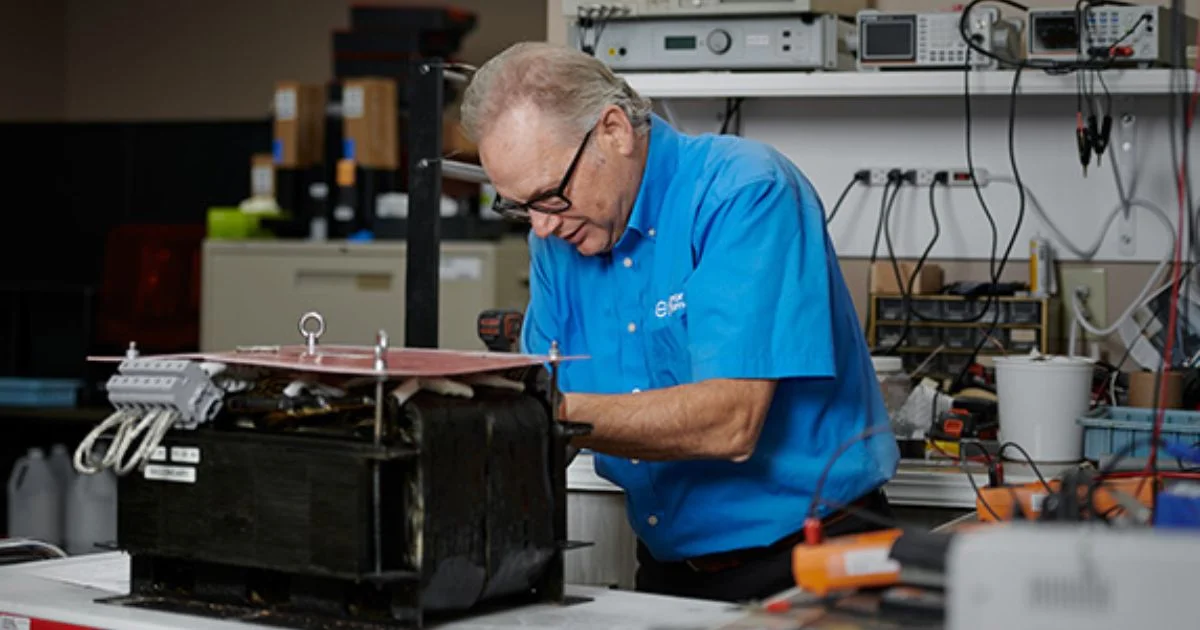
We verify thermal performance through testing, not just calculation. A prototype undergoes full-load thermal cycling to confirm that hot-spot temperatures remain within the insulation system's limits. That testing happens before production starts because adjusting core size or cooling provisions after manufacturing is expensive.
Electrical verification includes measuring inductance at multiple current levels. Since the core operates in partial saturation, inductance isn't constant. It decreases as the current rises. The design must maintain sufficient inductance at peak load while avoiding excessive voltage drop at rated current. Get that wrong, and you'll see either poor ripple reduction or unacceptable regulation.
Phase relationships matter in multi-pulse configurations. IEEE 519-2022 provides guidance on harmonic current limits for different system types, and those limits inform the inductance values needed for adequate ripple reduction. When you're designing for 12-pulse operation, the 30-degree phase shift between winding groups creates specific harmonic cancellation patterns. The integrated inductance needs to complement that cancellation, not work against it.
Core material selection follows different rules from those for standard transformers. Silicon steel laminations work for many applications, but high-frequency rectifier systems sometimes benefit from powder cores or advanced materials that handle the combined AC and DC flux components without excessive loss.
Secondary Winding Configuration Impact
How you connect the secondary windings affects both the phase shift and the voltage relationships, which in turn influence how the integrated inductance performs under different load conditions. Wye versus delta secondary configurations change the output voltage level and determine whether neutral connections are available.
In a 12-pulse system, one secondary typically uses a wye configuration while the other uses a delta to achieve the required 30-degree phase displacement. The integrated inductance in the primary must account for both loading conditions simultaneously. When one bridge draws peak current while the other is at a valley, the magnetic circuit must handle both states without saturating.
This interaction between winding configuration and integrated inductance is why prototype testing matters. Calculations get you close, but verifying actual performance under combined loading conditions confirms the design works as intended.
What This Means for Procurement
When you're specifying multi-pulse rectifier systems, start by defining your constraints. If cabinet space and weight are negotiable, separate components offer more flexibility. If you're designing compact skid-mounted systems or working in harsh environments, custom rectifier magnetics with integrated inductance deliver tangible benefits.
For larger systems with 12-pulse or higher configurations, request quotes both ways. The cost difference isn't always obvious until you factor in installation labour and long-term maintenance. Some projects justify integrated designs purely on reliability grounds; others make sense because of mechanical constraints.
Electronic Craftsmen can incorporate inductance directly into the primary winding of multi-pulse transformers, reducing component count and saving cabinet space in 12-pulse and higher rectifier systems. If you're evaluating options for an upcoming project, we'll work through the trade-offs specific to your application.