Testing and Quality Assurance for Custom Magnetics
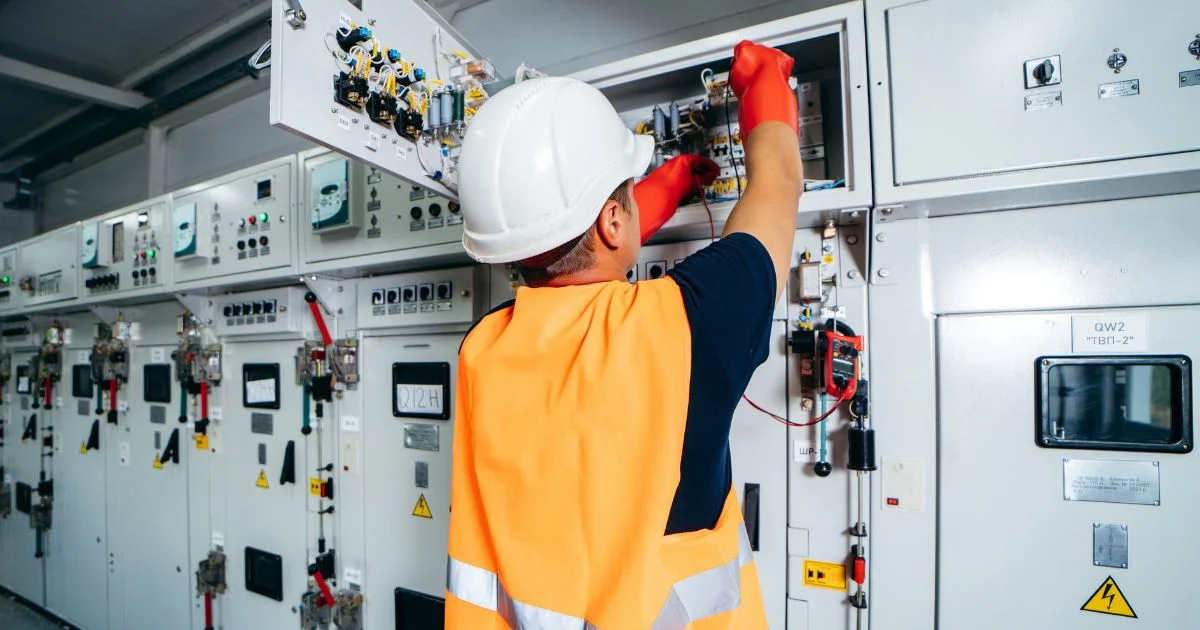
Your equipment is down. The transformer failed, and now you're facing downtime and production delays. When a custom transformer or inductor doesn't work right, the problems spread quickly. The difference between reliable performance and unexpected shutdowns comes down to one thing: custom magnetics testing.
Testing isn't just a final checkbox. It ensures your components will work in the real world. Think about aerospace systems that can't afford to fail, or medical equipment where lives are at stake. Proper testing separates hoping your equipment works from knowing it will.
At Electronic Craftsmen, we've spent decades perfecting our testing approach. Good testing gives you confidence that your systems will work when it matters most.
Why Custom Magnetics Testing Matters
Off-the-shelf components come with standard specs and known limits. But custom magnetics are different. Each custom design brings new variables that need careful checking.
It's easy to assume testing just confirms basic operation. The reality is that good custom magnetics testing looks at electrical performance, heat handling, environmental toughness, and long-term reliability.
According to CSA Group standards, testing requirements for transformers vary significantly based on application environments and intended use in Canadian systems.
When testing falls short, the consequences are real:
Safety risks from insulation breaking down.
Components overheating and causing major failures.
Unwanted electrical noise affecting nearby equipment.
Parts wearing out too soon.
Failing certification inspections when it's too late to fix.
For systems in aerospace, medical equipment, or factory controls, these aren't theoretical problems—they're real risks that proper testing directly prevents.
Core Testing Methodologies for Custom Magnetics
Electrical Performance Testing
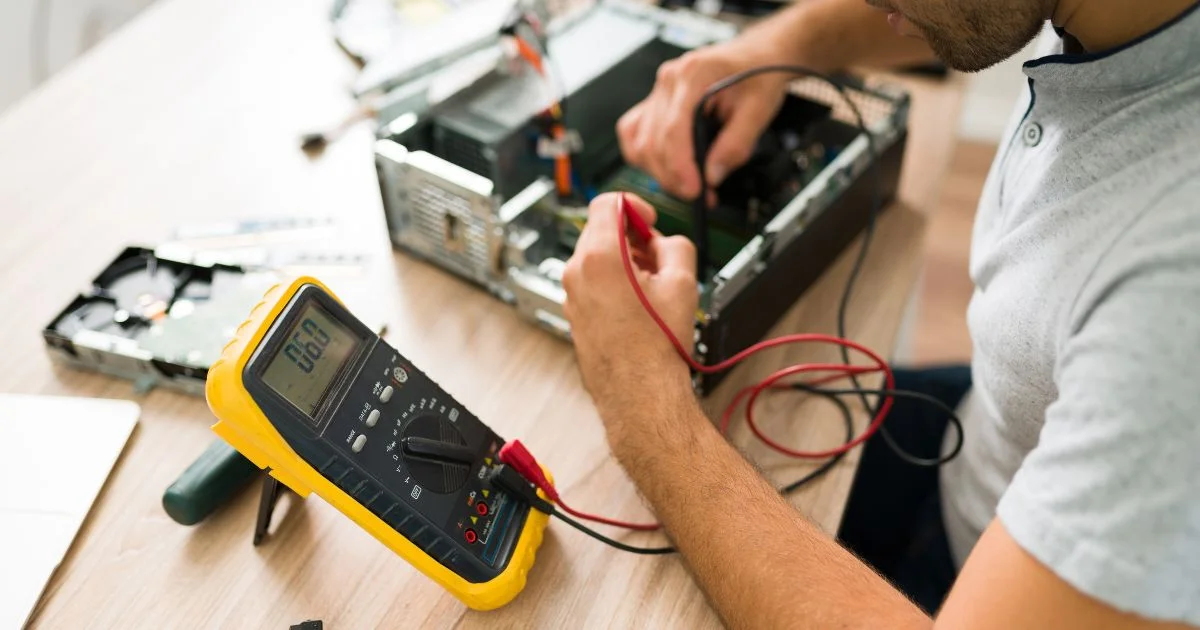
Electrical testing is where quality assurance begins for custom magnetics. We start with basic measurements and then check how components perform in situations similar to your actual application.
Our Voltech testing systems can measure with 0.05% accuracy, which lets us verify:
Turns ratio and polarity (how voltage transforms between windings).
Inductance (L) and leakage inductance (electrical storage and loss).
DC resistance (power loss in the windings).
Impedance characteristics (how the component responds to different frequencies).
Insertion loss (power that doesn't make it through the component).
For bigger transformers, we run load tests that show how they'll perform when working in your system. This catches potential problems with core saturation (when the magnetic material can't handle more energy), temperature increases, and voltage regulation that might not show up during simpler testing.
Dielectric Strength and Insulation Testing
The insulation in your magnetic components is critical for safety. Our corona testing (available up to 20kVac) can detect tiny electrical leaks (partial discharge) as small as 2pC. This confirms that insulation will stay intact throughout the component's life.
The Canadian Electrical Code sets standards for insulation testing that change based on voltage level and application. Good testing confirms that:
Insulation materials work properly even when hot.
No electricity leaks through the insulation at normal voltage.
Insulation can handle temporary voltage spikes.
There's enough physical separation between conducting parts.
This testing is especially important for high-voltage applications or when you need galvanic isolation for safety reasons.
Environmental Testing
The conditions where your components operate often determine how long they'll last. Our thermal cycling chambers can test from -73°C to +190°C to make sure performance stays consistent across temperature extremes.
Custom magnetics face many environmental challenges:
Extreme temperatures in aerospace applications.
Moisture in marine equipment.
Vibration in transportation systems.
Physical shock in industrial machinery.
Temperature cycling affects different core materials and insulation systems in unique ways. Testing that matches your actual operating conditions confirms that the component will work reliably throughout its intended life.
For more information on how core materials affect temperature performance, see our article on Why Your Transformer's Core Material Matters.
Application-Specific Testing
While standard tests cover basic performance, many applications need specialized testing approaches. These might include:
Switch-mode power supply testing: Measuring how components perform under high-frequency operation with non-sinusoidal waveforms and changing loads.
Current sense transformer testing: Checking accuracy across different current levels and timing precision for control systems.
Pulse transformer testing: Confirming signal rise time, stability, and core saturation behaviour.
Medical and aerospace applications often need additional testing to meet industry standards. Health Canada establishes testing requirements for medical device components that go beyond general industrial standards.
Quality Assurance Beyond Testing
While testing confirms performance, good quality assurance starts much earlier. Our approach includes:
Design Validation
Before we make anything, we validate the design to confirm it will meet your requirements. This includes:
Selecting the right core material for your frequency and power needs.
Sizing wire correctly for current capacity and heat management.
Utilizing insulation systems for your voltage levels and environment.
Creating mechanical structures suitable for how and where you'll install the component.
Our database of over 10,000 proven designs gives us a strong foundation for developing new custom magnetics. This helps us incorporate approaches that work while still addressing your unique requirements.
Materials Traceability
Quality depends on consistent materials that meet specifications. Our materials traceability system tracks:
Core materials from suppliers we trust.
Magnet wire with appropriate insulation.
Insulation materials rated for your temperature needs.
Encapsulation compounds suited to your operating environment.
For aerospace and defence work, this traceability meets AS9100 requirements, including lot control and material certifications.
Process Controls
Consistent manufacturing processes ensure repeatable results. Our key process controls include:
Computer-controlled winding machines with precise tension control.
Vacuum encapsulation with careful monitoring.
In-house ferrite core grinding.
Controlled thermal processing for stress relief and curing.
These controls, combined with inspections throughout production, maintain quality from start to finish.
Real-World Testing Scenarios
Let's look at how testing applies in different situations:
Aerospace Power Supplies
For aircraft power systems, reliability is non-negotiable. Testing for these applications typically includes:
Full electrical parameter verification.
Extended thermal cycling to simulate altitude changes.
Vibration testing to simulate in-flight conditions (outsourced).
Corona testing to verify insulation integrity at reduced atmospheric pressure.
The combination of environmental and electrical testing provides confidence that components will perform reliably in the demanding aerospace environment.
Medical Imaging Equipment
Medical imaging systems require exceptional stability and low electromagnetic interference. Testing for these applications focuses on:
Precise turns ratio verification for signal accuracy.
Thermal stability testing to ensure consistent performance during extended operation.
Insulation testing to verify patient and operator safety.
These specialized tests address the unique requirements of medical applications, where both performance and safety are critical.
When to Specify Advanced Testing
Not every application needs comprehensive testing, but certain situations call for advanced verification:
Critical safety applications where component failure could create hazards.
Medical equipment where reliability affects patient care.
Aerospace systems operating in extreme environments.
Applications with extended service life requirements.
Systems where maintenance access is limited or impossible.
The cost of testing should be compared to the potential consequences of failure. For non-critical applications, standard testing may be enough. For systems where failure isn't an option, comprehensive testing provides necessary assurance.
Implementing Effective Testing for Your Custom Magnetics
Creating an effective testing strategy requires understanding both the component and where it will be used. Start by considering:
Operational requirements: Voltage, current, frequency, and load characteristics.
Environmental conditions: Temperature range, humidity, altitude, vibration.
Regulatory standards: Industry-specific requirements and safety standards.
Reliability expectations: Expected service life and what happens if it fails.
This information helps determine which tests will provide meaningful validation. When ordering custom magnetics, clearly communicate these requirements to ensure appropriate testing.
Working with a manufacturer who understands your industry makes this process easier. Their familiarity with industry-specific requirements helps identify necessary testing protocols without adding unnecessary costs.
Building Confidence Through Proper Testing
Custom magnetics testing isn't just about confirming specifications, it's about building confidence in your systems. When proper testing validates component performance, you can integrate it into your system knowing it will work as expected.
Our registered quality system ensures consistent testing that verifies performance to specification. This approach has supported reliable operation in applications from airport lighting controls to medical imaging systems where component failure isn't an option.
The most complex systems often face the greatest reliability challenges. When your application can't afford to fail, working with a custom magnetics partner who understands your testing requirements becomes essential. Because when system reliability is critical, proper testing is absolutely necessary.
Looking Ahead: Testing Evolution
As industries advance and equipment designs become more sophisticated, testing methodologies must evolve in parallel. What worked for yesterday's technologies may not address the demands of tomorrow's innovations.
This reality requires not just addressing current testing needs, but also thinking about how changing technologies, operating environments, and regulatory requirements will shape future testing demands. A proactive approach to testing helps ensure your components remain reliable throughout their entire lifecycle.
Don't let testing uncertainties compromise your system's reliability. Whether you're dealing with aerospace applications, medical equipment, or industrial controls, partnering with experienced testing experts gives you the confidence that your custom magnetics will perform when it matters most.
At Electronic Craftsmen, our comprehensive testing protocols have been refined over decades to address the most demanding applications across industries.
Have questions about testing requirements for your specific application? Let's talk about creating a testing approach that builds confidence in your systems from the ground up.