Prototyping: Working with a Transformer Manufacturer in Canada
Most teams arrive at the prototyping stage with a specification they're confident in. That confidence is often the first thing the review process tests.
A transformer specification covers a lot of ground: input and output voltages, frequency, power rating, insulation class, temperature rise limits, mechanical constraints, and any applicable standards the final unit needs to meet.
Each of those parameters connects to design decisions (core material selection, wire gauge, winding configuration, encapsulation method), and the relationships between them aren't always obvious until an engineer starts working through the calculations.
What the Transformer Specification Review Actually Does
The specification review is where those relationships get examined. A manufacturer working through the numbers might find that the requested temperature rise limit is tighter than the insulation class can reliably handle at the rated power. Or that the enclosure dimensions conflict with the thermal dissipation the design needs. Or that the operating frequency calls for a core material the original spec didn't account for.
None of those are failures in the specification. They're what the review is for. But the review only catches them if the manufacturer is doing the engineering, not just quoting the spec and building to it.
This is one of the clearest distinctions between a fabrication shop and a design partner. The former builds what you hand them. The latter tells you what to change before you lock it in.
Why Design Review Involves More Than the Electrical Team
A transformer does electrical work, but it's also a thermal system and a mechanical assembly. Depending on the application, it's also a certified product. The design review needs to account for all of that, which means it can't happen in isolation.
Thermal analysis matters because the temperature rise in a transformer under load depends on core and copper losses, ambient temperature, and the rate at which heat leaves the enclosure. A design that looks acceptable on paper can run hotter than expected in the field if the thermal model doesn't reflect the actual installation environment.
Mechanical review matters because the physical layout of windings, terminals, and mounting hardware affects manufacturability, not just fit. A transformer that's difficult to wind consistently introduces variation in production. Custom terminals, brackets, or mounting configurations that aren't caught early add lead time and cost downstream.
And if the application has any certification requirements (MIL-PRF-27 for aerospace and defence applications, CSA standards for Canadian installations, AS9100 manufacturing quality requirements for aviation supply chains), they need to be part of the conversation before the prototype is built, not after. Designing to a standard is different from testing to confirm compliance after the fact. The former is faster and cheaper.
At Electronic Craftsmen, the design review brings electrical, thermal, and mechanical considerations under one roof, with four on-site engineers who've worked through this process on thousands of custom designs. Catching a conflict at the review stage takes hours. Catching it after production tooling is in place takes considerably longer.
What Actually Gets Built, and Why the First Prototype Isn't Final
A common misconception is that the prototype phase produces a finished unit. What it produces is information.
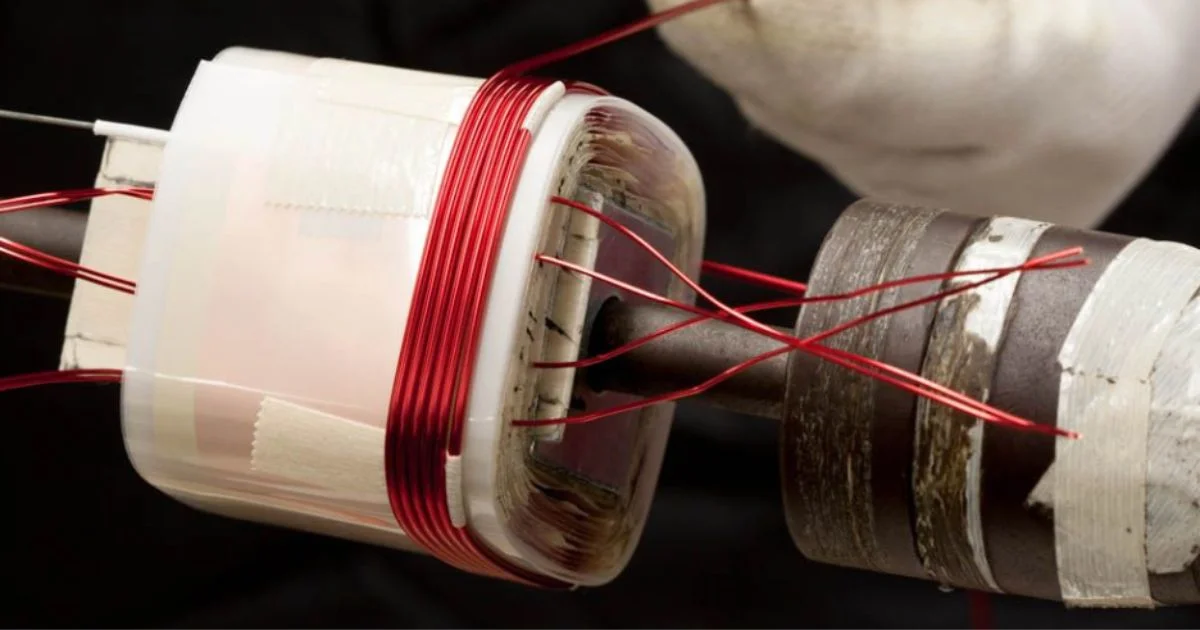
The prototype is built to the current best version of the design, under controlled conditions, with full documentation of every decision made along the way. The build itself follows formal manufacturing instructions, the same type of instructions that will govern production runs, so that any change made between prototype and production is deliberate and traceable, not accidental.
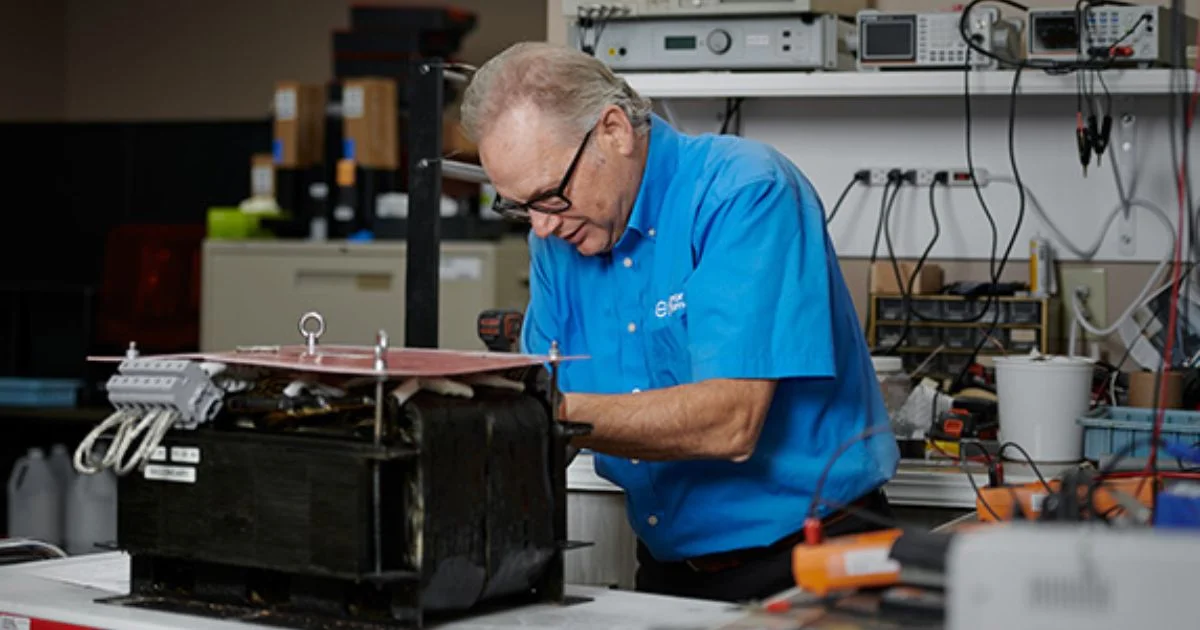
Testing begins once the prototype is complete. Electrical tests verify that the unit performs to specification: voltage ratio, impedance, load regulation, no-load losses. If the application requires it, dielectric testing confirms that the insulation system withstands the required working voltage.
For applications where partial discharge is a concern (high-voltage power electronics, medical equipment, anything where insulation breakdown carries serious consequences), corona testing can be specified to detect discharge activity down to 2 pC at up to 30 kVac.
Thermal testing is where surprises most often surface. A transformer that meets all electrical specifications might still run warmer than expected under sustained load or show uneven temperature distribution across the winding. Catching that at the prototype stage, before committing to a production build, is the point.
The evaluation report that comes back with the prototype documents what was tested, the results, and what, if anything, needs to change. That report is the foundation for the next step, whether that's a revised prototype or a production release.

The Transition from Prototype to Production
Passing prototype testing doesn't automatically mean the design is production-ready. There's a gap between "this unit works" and "we can build this unit consistently at volume."
Manufacturability is the question that closes that gap. A prototype built with engineering time and close supervision might involve steps that are difficult to replicate consistently on a production line. Winding sequences that work for a single unit might need to be adjusted for repeatability.
This is why prototype documentation matters as much as the prototype itself. The formal manufacturing instructions prepared during the prototype build become the baseline for production. If those instructions are thorough, capturing not just what gets built but how, with what materials, under what process controls, the transition to production is a controlled handoff. If they aren't, the production team is rebuilding institutional knowledge from scratch on every run.
For low- to mid-volume custom magnetics prototyping, where production runs remain well below those of high-volume contract manufacturing, that documentation is what prevents variation from creeping in between orders. A manufacturer who's built the same transformer twice should be building it the same way the second time. That requires records, not memory.
The offshore production partnerships that some custom magnetics manufacturers use add another layer to this. When prototypes and production happen in different facilities, 100% conformance testing before any unit ships is not optional. It's the only way to confirm that what was approved at the prototype stage is what's being delivered.
Specification Errors That Show Up Late, and How to Avoid Them
Some of the most expensive prototype cycles happen because a design error that could have been caught at the review stage wasn't. A few patterns come up often enough to be worth naming.
Thermal assumptions that don't match the installation. A transformer specified for a maximum ambient temperature of 40°C will behave very differently in a cabinet running at 55°C. If the installation environment isn't clearly defined in the specification, the thermal design will be based on an assumption. That assumption may not match reality.
Frequency dependencies that affect material selection. Core material performance changes with frequency. A ferrite core optimized for 100 kHz operation isn't the right choice for 400 Hz aviation power. A powdered iron core that works well in a DC filter inductor won't perform the same way in a high-frequency transformer. If the operating frequency range isn't fully defined, including transient conditions, the material selection might be wrong before the design starts.
Insulation class versus temperature rise. Class F insulation supports a winding temperature of up to 155°C. If the design runs the insulation at or near that limit continuously, long-term reliability becomes a real question. Specifying Class F insulation or higher as the minimum, and then confirming the actual temperature rise in testing, is a better approach than assuming adequate margin exists.
Mechanical integration left too late. Terminal placement, mounting hole patterns, and enclosure type affect how the transformer integrates into the assembly. Changes to any of those after the prototype is built can require a new prototype. Getting a mechanical drawing in front of the engineering team early, before the prototype build, not after, costs nothing and can save significant time.
None of these are unusual oversights. They're the normal friction between what a specification can capture in advance and what the design process uncovers.
What to Look for in a Canadian Transformer Manufacturer
Working with a manufacturer in Canada offers practical advantages that are easy to underestimate until something goes wrong on an offshore program. Face-to-face design reviews are possible. Lead times for revisions are shorter. And if a prototype needs to go back for adjustment, that adjustment doesn't involve a two-week shipping cycle.
For companies that need to specify a custom power transformer and aren't sure where the specification gaps are, that responsiveness matters. A manufacturer who can work through the design review in real time, ask the right questions, and flag issues before they get into the build is worth significantly more than one who simply processes the order.
Relevant certifications matter too. AS9100 registration indicates that the manufacturer's quality management system is audited to the standard required by aerospace supply chains. ISO 9001 registration covers the broader quality system. Testing and quality assurance processes that go beyond a basic pass/fail check, documented, traceable, repeatable, are what give the prototype evaluation report enough credibility to justify a production release.
And if the prototype reveals something unexpected, the manufacturer's response to that is the most useful information the process produces. A team that can identify what happened, explain it technically, and propose a corrective path quickly is the team worth staying with. That capability is harder to assess from a capabilities brochure than from a prototype cycle.
If you're working through a custom transformer design and want a manufacturer who will engage on the specification before the build starts, get in touch with Electronic Craftsmen. We'll review your requirements, flag anything that needs clarification, and tell you what the prototype process looks like for your application.