Single vs. Three Phase Power for Industrial Applications
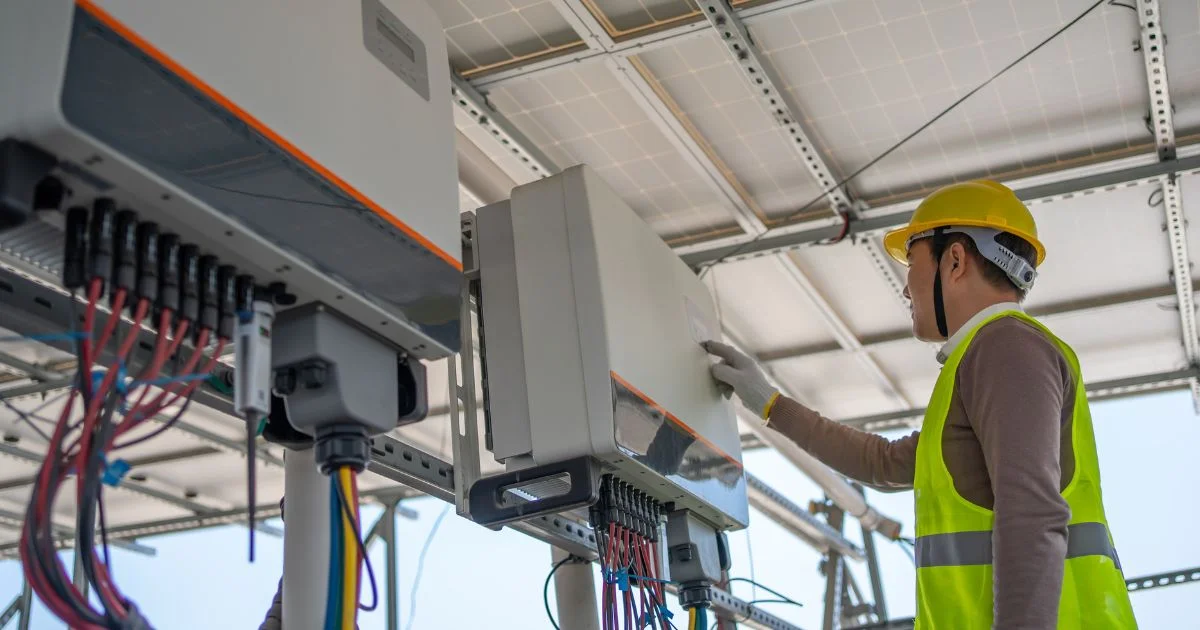
Circuit breaker overloads, power brown outs, and overloaded distribution transformers all point to an often-overlooked issue: A power distribution scheme that does not match your facility’s demands.
In industrial settings, that mismatch can have serious consequences. It affects uptime, energy efficiency, employee productivity, and the long-term life of your equipment and systems. And yet, many facility managers do not re- evaluate their facility’s power requirements as demands change.
Some imperative considerations that must be explored during the early stages of building design or retrofit of a facility’s power service are: What will the facility be used for? What are its future power requirements? Does the building require a 3 phase service or will a single-phase service suffice? What are the real-world differences in single vs three-phase power systems for industrial facilities?
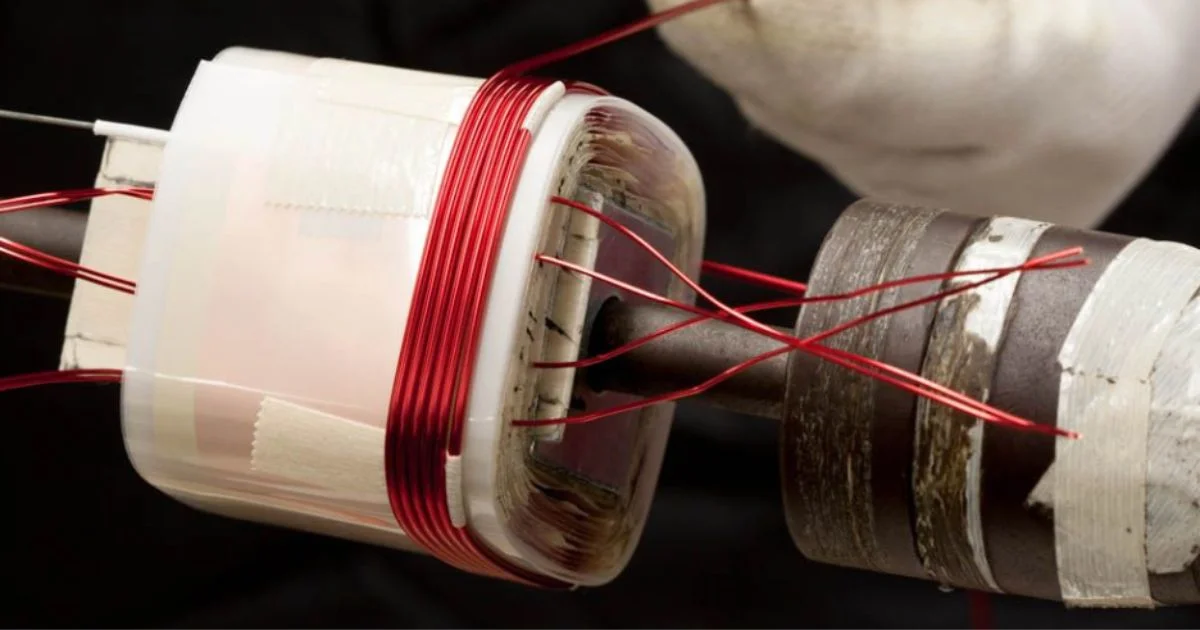
For facilities facing power quality challenges or requiring specialized components like inductors to optimize power flow and reliability, exploring custom inductor solutions can be crucial. Manufacturers often use inductors, chokes, reactors, and filters to address issues like harmonic distortion and voltage spikes. If you’re interested in how these components work together to maintain stable industrial power, see our guide: Inductors vs. Chokes vs. Reactors vs. Filters: What’s the Difference?.
This post explores where each system fits, what the key limitations are, and how to choose the best approach based on load type, expansion potential, and system reliability.
What’s the Difference Between Single and Three-Phase Power?
Understanding single vs three-phase power starts with the basic structure of how electricity flows through each system.
Single-phase power uses two wires—one hot and one neutral—and delivers current through a single sinusoidal waveform. This means voltage rises and falls in a smooth, rhythmic cycle. Most residential and light commercial buildings use this setup because the loads are relatively small and consistent. Think lights, outlets, or small appliances.
Three-phase power, by contrast, uses either three or four wires and delivers electricity through three sinusoidal waveforms, each spaced 120° apart. Because the phases take turns carrying the load, voltage never drops to zero. This results in a more stable and continuous power delivery, which is critical for larger equipment or systems that must run non-stop.
To simplify:
Single-phase: Imagine a single lane road where cars (electricity) travel in waves, going up and down. There's a peak and a dip in the flow of electricity.
Three-phase: Imagine three single-lane roads (each with its own wave of electricity) running side-by-side but offset slightly so that when one is at its peak, the others are at different points in their cycle. This provides a more consistent flow of power.
In most modern industrial power systems, three-phase setups are preferred because they deliver energy more efficiently and evenly to motors, compressors, control systems, and other demanding equipment. That said, not every facility needs three-phase. The choice depends on total load, operating environment, and how much scalability your operation requires.
Where Single-Phase Still Works in Industry
While a three-phase power service is the more practical choice for most large-scale industrial power systems, there are many mid-sized facilities where single-phase power systems can be implemented and still meet facility power demands.
Smaller operations; especially those in rural or remote areas often rely on single-phase power simply because that’s what’s available through the local utility. In these cases, the electrical demand is usually low enough that adding the complexity and cost of three-phase service isn’t justified.
Common examples include:
Lighting and signage systems
Small office HVAC
Rural pump stations
Low-volume fabrication shops
Monitoring and control panels for remote assets
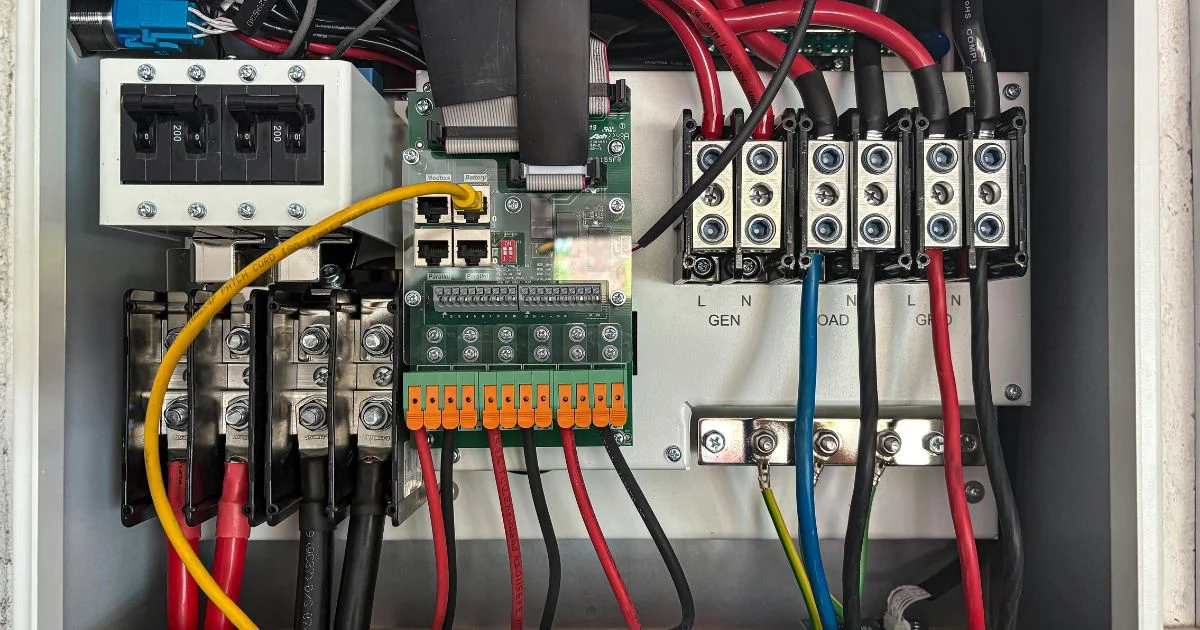
For applications like these, single-phase can be easier and more cost-effective to install. It’s also simpler to service and often more than enough for intermittent or low-duty loads. Many teams use Slim Line LED Autotransformers to step down high-voltage service (like 347V) to levels suitable for single-phase circuits—especially in industrial lighting retrofits.
But there are also clear single-phase limitations. High inrush current, voltage instability under load, and thermal stress on transformers are all common issues. Motors may run hotter and less efficiently. Over time, this can reduce equipment life or lead to more frequent maintenance.
In short: If your system draws continuous or high loads, or if future growth is expected, single-phase can become a bottleneck. And that’s where reassessing your power strategy becomes essential.
Why Three-Phase Powers Most Industrial Systems
Three-phase power isn’t just more efficient. It’s built for the kind of continuous, high-demand environments that define modern industrial power systems.
Because voltage never drops to zero in a three-phase system, motors and other inductive loads receive a steady flow of power. This improves torque consistency, reduces vibration, and extends the lifespan of critical components. That’s a big reason why three-phase power for industrial use has become the global standard in manufacturing, automation, and energy-intensive operations.
Let’s look at real-world examples:
Automated conveyor systems benefit from smooth torque and low thermal drift
Injection molding machines demand continuous, balanced current to prevent process interruption
HVAC chillers and compressors operate more efficiently under steady-phase loading
Data centres and labs use three-phase UPS setups to handle complex load profiles
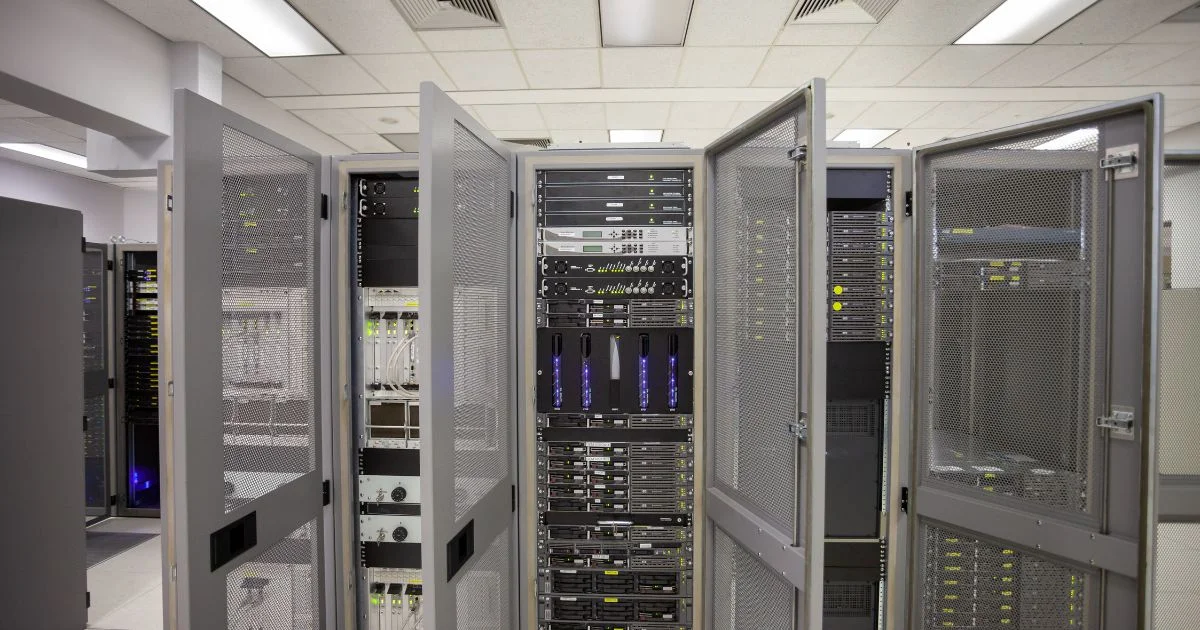
It’s not just about horsepower—it’s about operational resilience.
Unlike single-phase systems, three-phase allows for smaller wire gauges at the same power level, which means more efficient installations. Heat buildup in transformers and inductors is also easier to manage, especially in systems using high-frequency magnetic components designed for three-phase operation.
In many cases, a three-phase setup is the only way to meet CSA or IEC compliance requirements for power quality and stability, particularly in aerospace, lab instrumentation, or medical manufacturing environments.
Heat buildup in transformers and inductors is also easier to manage, especially in systems using high-frequency magnetic components designed for three-phase operation. To source three-phase inductors, chokes, or reactors tailored for your facility’s specific requirements, you can explore more three-phase industrial solutions.
Bottom line: Three-phase power for industrial use is about more than just delivering more power. It creates a more stable, scalable foundation for equipment that can’t afford interruption, variation, or early failure.
How to Decide: Load Type, Expansion, and Reliability
Choosing between single vs three-phase power isn’t just a one-time call during facility design. It’s an operational decision that impacts uptime, equipment longevity, and your ability to scale. And in many cases, it’s the reason industrial power systems either work smoothly or constantly fight to stay stable.
Here are three questions every engineering or operations lead should ask:
What does the load profile look like?
Is your system running constant, high-current machinery—or just intermittent light loads? Loads that cycle on and off (e.g., compressors, VFD-driven motors, or plasma cutters) benefit from the smoother delivery of three-phase. High peak loads on single-phase systems often cause nuisance tripping or require derating transformers.
Is expansion part of the picture?
Even if today’s loads are light, will you be adding robotics, more automation, or increased throughput in the next 12–24 months? If so, investing in three-phase upfront may save significant cost and redesign later.
How sensitive is the equipment?
Advanced electronics—sensors, test benches, communication gear—don’t always need raw power, but they do require stability. Voltage sags and harmonic distortion are far more common in overloaded single-phase systems.
And don’t forget the transformer. As highlighted in How a Transformer Can Make or Break Your Product’s Success, power type is only one side of the equation. The transformer must match the voltage class, frequency, and thermal limits of your specific load profile, whether you’re working with single or three-phase input.
When power systems are matched to real-world conditions, everything downstream (wiring, enclosures, and equipment) works better, longer, and with fewer surprises.
Upgrading or Adapting: When You're Stuck with One Type?
In a perfect world, every facility could build its electrical system from the ground up—but that’s rarely reality. Many sites are locked into existing infrastructure, tied to utility constraints, or juggling mixed-use spaces. So what happens when you’re committed to one system, but your equipment needs another?
That’s where flexible engineering can bridge the gap.
Phase Converters
If you're operating on single-phase but need to drive loads that expect three-phase input, a phase converter can be used as a cost-effective solution.
Phase converters are used to transform single-phase power into three-phase power required by many industrial machines. This enables the operation of three-phase motors, welders, and other equipment where only single-phase power is accessible. One example would be a Static phase converter that utilizes solid-state components like dual primary transformers, rectifiers, and inverters to generate the three-phase output.
Hybrid Systems
Some industrial power systems use hybrid systems to convert three-phase power to single-phase power for specific loads to mimic phase balance across multiple single-phase lines. While three-phase systems are inherently balanced, single-phase systems can experience voltage imbalances, leading to inefficiencies and potential equipment damage. This power distribution approach built using custom magnetic components (transformers & inductors), active and passive filters, and control mechanisms can support more complex loads in retrofit environments without the need to upgrade the building’s service.
Power Conditioning and Filtering
Unbalanced loads? Harmonics? Even in three-phase systems, power conditioning gear like reactors and filters can help stabilize a facilities power feed. This is especially important when powering sensitive equipment in environments like healthcare, laboratories, and telecom systems.
What matters most is ensuring your system functions under real load conditions. That means fewer assumptions, and more attention to how your power setup integrates with motors, sensors, drives, and backup systems.
Whether you're adapting three-phase power for industrial use or your mid-size facility uses a single-phase power feed, the right power management strategy can delay or even prevent a full system overhaul without compromising the reliability or safety of your equipment.
Power Strategy Should Reflect Real Load—Not Just Legacy Wiring
The difference between single vs three-phase power isn’t just academic; it impacts how your systems behave under full load conditions. Undersized or misaligned power setups cause ripple effects across your operation, from overheating transformers to unexpected downtime. And in fast-moving industries, those risks add up.
A single-phase powered facility can be a smart fit for targeted, low-duty applications. But its limitations become clear as soon as your equipment scales, or your loads get larger and more complex. On the other hand, three-phase power supports smoother performance, balanced loads, and stronger long-term resilience, especially in demanding industrial power systems.
Sometimes, all it takes is the right custom magnetic solution designed for your power requirements, not a full infrastructure overhaul.
Power distribution problems? Electronic Craftsmen can help.
Contact our engineering team to assess your facility’s power configuration and explore magnetic designs built to conform to your unique specifications.