What is a K-Factor Rated Transformer and When Do You Need One?
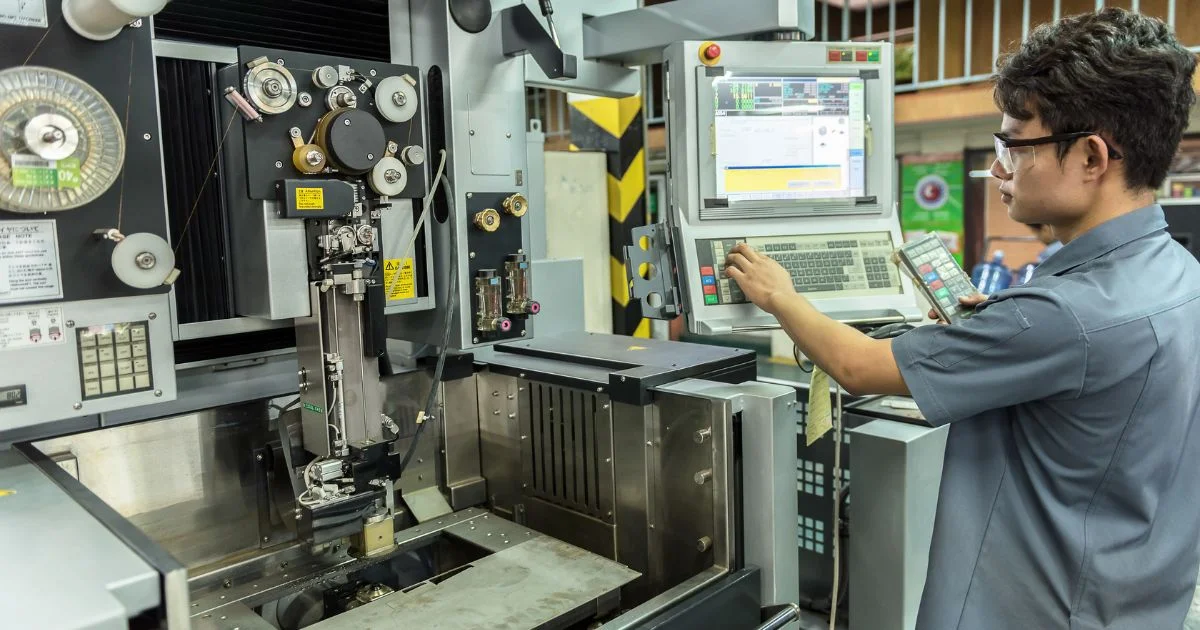
Ever noticed your transformer running unusually hot despite normal load levels? Harmonic distortion from Non-Linear loads could be the cause.
Modern facilities are filled with variable frequency drives, computers, and LED lighting, which generate electrical harmonics and are examples Non-linear loads.
A properly selected K-rated transformer addresses this problem by managing the additional heat and stress caused by non-linear loads. Without proper rating, transformers overheat, insulation breaks down faster and leads to premature failure. For facilities with a diverse load profile, understanding the K-factor rating is essential for reliable operation.
Another consideration is the K-Factor of your currently installed power transformer. As load profiles change and older equipment is replaced with electronic controls, harmonic load content will change. The transformer that worked fine with a lower K-Rating for decades may struggle today because your electrical environment has changed.
What K-Factor Rating Actually Measures
K-factor rating quantifies a transformer's ability to handle harmonic currents without overheating. The rating ranges from K-1 (standard linear loads) to K-50 (extreme harmonic environments).
Standard transformers operate at K-1 and are designed for linear loads such as resistive heating and incandescent lighting. These loads draw current that follows a smooth sinusoidal waveform, keeping transformer losses predictable and manageable.
Variable frequency drives, switching power supplies, and electronic ballasts draw current in sharp pulses rather than smooth waves generating these harmonics (multiples of the fundamental 60Hz power frequency) and distorting the current waveform.
Natural Resources Canada's VFD efficiency programs recognize that while these drives improve energy efficiency, they also introduce harmonic content. This causes additional losses in transformer windings and cores, generating heat beyond the nameplate rating.
The K-factor rating system accounts for this additional heating. A K-13 transformer handles the heating effects of typical office environments with computers and fluorescent lighting. A K-20 transformer manages heavier harmonic loads from industrial drives and automation equipment.
Canadian safety standards require that transformers serving nonlinear loads be rated appropriately to prevent thermal damage and ensure safe operation—requirements we cover in depth in our guide to Canadian transformer certification.
Higher K-factors mean more robust construction. K-rated transformers use heavier gauge conductors, better core materials, and improved cooling. The neutral conductor receives special attention since harmonic currents often flow through neutrals at levels exceeding phase currents.
Why Modern Facilities Face Harmonic Problems
Industrial and commercial facilities today look nothing like they did 30 years ago. Electronic equipment has replaced mechanical systems across every sector.
Variable frequency drives now control most motors in manufacturing plants. These drives improve efficiency and provide precise speed control, but they also generate significant harmonics as they convert AC power to DC and back to variable frequency AC. A single large VFD can inject harmonics throughout an electrical system.
Office buildings face similar challenges. Every computer, monitor, and printer contains a switching power supply that draws current in pulses. LED lighting has replaced fluorescent and incandescent fixtures, bringing solid-state drivers that contribute to harmonic content. Even phone chargers and laptop adapters add small harmonic contributions that accumulate across large installations.
Data centres face the worst conditions. Server racks, storage systems, network equipment—all use switching power supplies. Standard transformers can't keep up. Without properly rated transformers, these facilities face ongoing thermal issues and reduced equipment life.
Medical facilities add another layer of complexity. Diagnostic equipment, patient monitors, and surgical tools all contain electronic controls. The equipment must operate reliably while contributing to harmonic distortion that affects the transformers powering the facility. As we explored in our examination of common causes of transformer failure, thermal stress from harmonics accelerates insulation breakdown and shortens transformer life.
The challenge extends beyond just having nonlinear loads. Modern power factor correction equipment improves energy efficiency but can amplify certain harmonic frequencies if not properly designed. UPS systems protect critical loads while introducing harmonics into the electrical system.
Renewable energy systems with inverters add yet another harmonic source.
Natural Resources Canada's efficiency programs encourage the use of electronic controls and variable speed drives. These improvements save energy at the equipment level but increase system-wide harmonic content. The electrical infrastructure must adapt to safely handle these modern loads.
Determining If You Need a K-Rated Transformer
Not every facility needs K-rated transformers. Linear loads such as resistive heating, standard motors, and traditional lighting work well with standard transformers. The question becomes: how much nonlinear load is too much?
A simple assessment starts with identifying your loads. Calculate what percentage comes from electronic equipment, variable frequency drives, computers, and LED lighting. If nonlinear loads exceed 15-20% of the total connected load, you should evaluate K-factor requirements.
Existing transformer behaviour provides clues. Transformers running hot despite operating below nameplate capacity likely face harmonic stress. Neutral conductors carrying unexpectedly high current provide another sign. Strange sounds from transformers—buzzing or humming beyond normal levels—often indicate harmonic stress.
Facility age matters too. Buildings constructed or renovated in the past 15 years likely contain significant electronic loads. Manufacturing plants that modernized with automation face higher harmonic levels than older facilities with mechanical controls. Data centres, hospitals, and commercial offices almost always need K-rated transformers for new installations.
Load growth patterns also factor into the decision. Planning to add variable frequency drives, upgrade to LED lighting, or install more computers will increase harmonic content. Installing a K-rated transformer now prevents problems later when loads increase.
Professional testing provides definitive answers. Power quality analyzers measure actual harmonic content following IEEE 519 power quality standards and calculate appropriate K-factor requirements. This test identifies total harmonic distortion and the individual harmonic frequencies that most severely affect transformer heating.
This type of application-specific testing reflects the validation approach used in comprehensive quality assurance programs that ensure transformers perform reliably under actual operating conditions.
For critical facilities—such as hospitals, data centres, and industrial control systems—the conservative approach makes sense. Specifying K-rated transformers prevents thermal problems and extends equipment life. The additional cost proves worthwhile when compared to premature transformer failure and unexpected downtime.
Selecting the Right K-Factor Rating
Choosing the appropriate K-factor rating requires matching transformer capability to the actual harmonic environment. Under-rating leaves you vulnerable to overheating. Over-rating wastes money on capacity you don't need.
K-4 transformers handle light commercial loads with some computers and electronic equipment. Office spaces with standard fluorescent lighting and typical office equipment often fall into this category. The transformer manages modest harmonic content without thermal stress.
K-13 represents the most common industrial and commercial specification. This rating applies to facilities with mixed loads, including variable frequency drives, computers, LED lighting, and electronic controls. Most modern office buildings, light manufacturing plants, and commercial facilities operate safely with K-13 transformers.
K-20 transformers serve heavy industrial environments with extensive automation. Manufacturing plants with numerous VFDs, welding equipment, and electronic controls need this robust construction to handle substantial harmonic currents.
K-30 and K-50 ratings apply to specialized situations with extreme harmonic content. Large data centres, telecommunications facilities, and certain industrial processes may require these ratings. The additional cost reflects the heavy-duty construction needed to handle severe harmonic environments.
Neutral conductor sizing becomes critical with K-rated transformers. Harmonics—particularly third harmonics and their multiples—flow through neutral conductors. In systems with significant harmonic content, neutral current can exceed phase current. K-rated transformer specifications typically call for double-sized neutrals or other provisions to safely handle this current.
System voltage also influences selection. Three-phase systems with 208Y/120V or 480Y/277V configurations face different harmonic challenges than delta systems. Understanding these transformer configurations and their behaviour becomes essential when harmonic currents flow through system neutrals.
Applications Across Industries
K-rated transformers are used in diverse applications where nonlinear loads dominate.
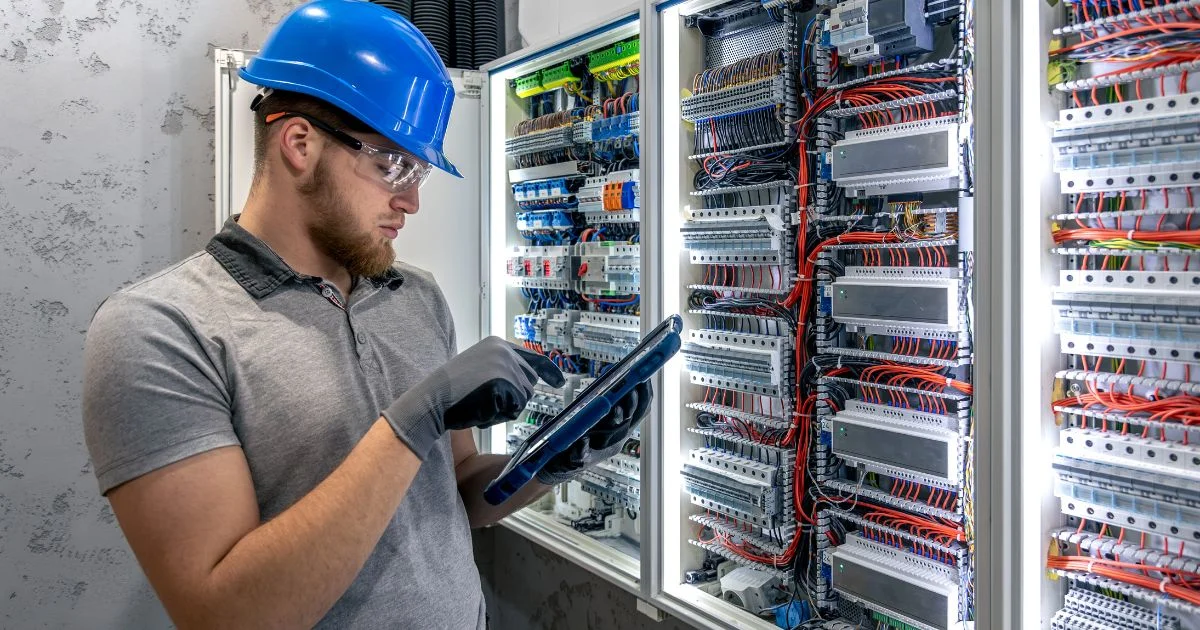
Manufacturing automation facilities rely heavily on variable frequency drives for motor control. Assembly lines, CNC machines, and robotic systems all introduce harmonics. K-20 transformers are typically suited to these environments, managing harmonic content while maintaining reliable power delivery.
Industrial settings often combine these challenges with demanding thermal conditions, making proper transformer rating even more critical. These complex requirements mirror the considerations involved in designing custom magnetic components for industrial applications where standard solutions fall short.
Healthcare facilities present unique challenges. Patient care areas must maintain uninterrupted power while managing harmonics from medical equipment, computers, and building systems. K-13 transformers generally suit hospital environments, though imaging departments with heavy electronic loads may need K-20 ratings. The stakes in medical facilities make conservative transformer selection essential.
Commercial office buildings have evolved into electronic equipment concentrations. Every workstation contains computers, monitors, and charging devices. LED lighting has replaced traditional fixtures. HVAC systems use VFDs for fan and pump control. K-13 transformers handle typical office loads, providing reliable service without thermal problems.
Data centres face the most extreme harmonic environments. Rows of servers, storage systems, and network equipment all use switching power supplies. UPS systems add another layer of harmonic generation. Most data centres specify K-20 transformers as a minimum, with K-30 or K-50 for the most demanding installations.
Making the Right Choice for Your Facility
Harmonic distortion isn't going away. As facilities modernize, the electrical environment grows more challenging for traditional transformers. K-rated transformers address this challenge directly by managing the additional heating and stress caused by nonlinear loads.
The decision comes down to matching transformer capability to actual operating conditions. Assess your loads, consider future growth, and choose ratings that protect your investment. Under-rating saves money initially but costs more through premature failure and unexpected downtime. Proper rating delivers reliable service throughout the transformer's intended life.
We've designed transformers for demanding environments across aerospace, industrial automation, and commercial facilities. Our engineering team understands how harmonic content affects transformer performance and can help specify appropriate K-factor ratings for your application.
Whether you're facing thermal problems with existing equipment or planning new installations, the right transformer rating makes the difference between reliable operation and ongoing maintenance problems.
If your facility operates below nameplate capacity but transformers still run hot, or if you're planning equipment upgrades that will increase electronic loads, talk to us about K-rated transformers designed for your specific harmonic environment.