Why Encapsulated Transformers Excel in Harsh Environments

Your offshore platform transformer just failed. Salt spray corroded the windings faster than predicted, and now you're facing unplanned downtime that costs thousands per hour. The replacement arrived last week with the same open-frame design. It won't last six months either.
This plays out across industries where equipment operates in punishing environments. Mining operations face dust and vibration. Rail systems endure temperature extremes and constant movement. Renewable energy installations sit outdoors for decades, exposed to moisture, UV radiation, and thermal cycling.
Standard transformers weren't built for these conditions. Encapsulated transformers seal windings and cores in protective materials. These materials block moisture, resist chemicals, and handle mechanical stress. This protection extends service life from months to decades.
The difference isn't just durability. Proper transformer encapsulation prevents failures that shut down critical systems and eliminates maintenance headaches. For applications where environmental exposure is unavoidable, encapsulation becomes the line between reliable operation and repeated failures.
What Encapsulation Actually Does
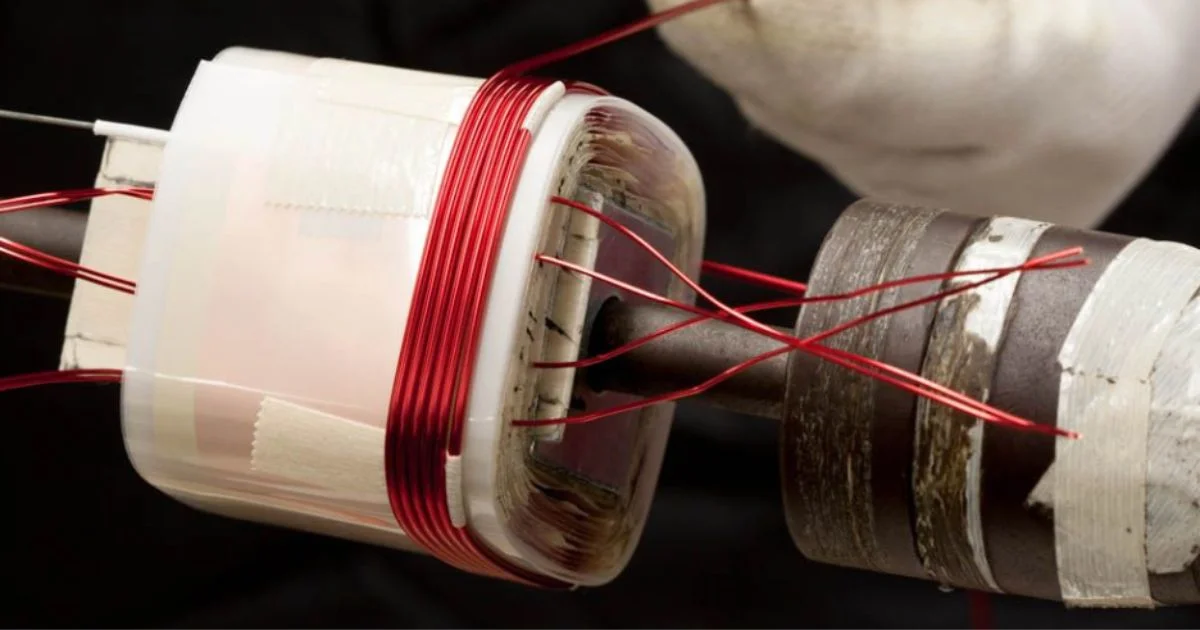
Encapsulation creates a protective barrier between a transformer's internal components and its operating environment. The process coats or fully embeds windings, cores, and connections in materials that resist environmental damage while maintaining electrical performance.
Think of it as armour. Encapsulation keeps moisture, contaminants, and physical stress away from sensitive windings and insulation. But it must also handle thermal expansion, dissipate heat, and maintain dielectric strength under electrical stress.
The protection works on multiple levels. It blocks moisture that creates conductive paths between windings. Moisture also corrodes copper.
The encapsulation prevents dust, chemicals, and airborne contaminants from settling on components. Without protection, these contaminants cause tracking or breakdown. It mechanically reinforces components against vibration and shock.
Heat management gets trickier with encapsulation. The protective material must efficiently conduct heat away from the windings. If it doesn't, trapped heat causes thermal failure. Proper encapsulation and material selection ensures heat dissipation. It creates direct thermal paths from hot spots to the exterior.
Electronic Craftsmen uses vacuum encapsulation chambers capable of processing units up to 24 inches in diameter, with vacuum levels up to 100 mTorr. This eliminates voids that could trap moisture or create weak points.
The Environments That Demand Encapsulation
Not every application needs encapsulated protection. But certain conditions make it essential.
Marine and Offshore Systems
Salt spray accelerates corrosion faster than almost any other environmental factor. Offshore platforms, ships, and coastal installations are constantly exposed to saltwater mist, which forms conductive films on exposed surfaces. Standard transformers corrode within months. Properly encapsulated units survive decades.
The corrosion doesn't just affect copper windings. Terminal connections, mounting hardware, and even magnetic cores degrade over time. Encapsulation protects the entire unit by creating a continuous moisture barrier.
Mining and Heavy Industry
Underground mining combines multiple threats. Dust from drilling settles on everything. Humidity approaches 100% in some tunnels. Temperature swings happen as equipment moves between the surface and underground.
Dust creates tracking paths across insulation when it absorbs moisture. This leads to flashover and failure. Industrial transformer protection through encapsulation prevents dust accumulation and eliminates tracking risks.
Chemical exposure is another factor. Processing facilities use acids, solvents, and cleaning agents that attack standard insulation. The Canadian Centre for Occupational Health and Safety emphasizes that proper equipment protection prevents exposure-related failures and maintains workplace safety.
Encapsulated transformers can be specified with chemical-resistant compounds.
Outdoor Power Systems
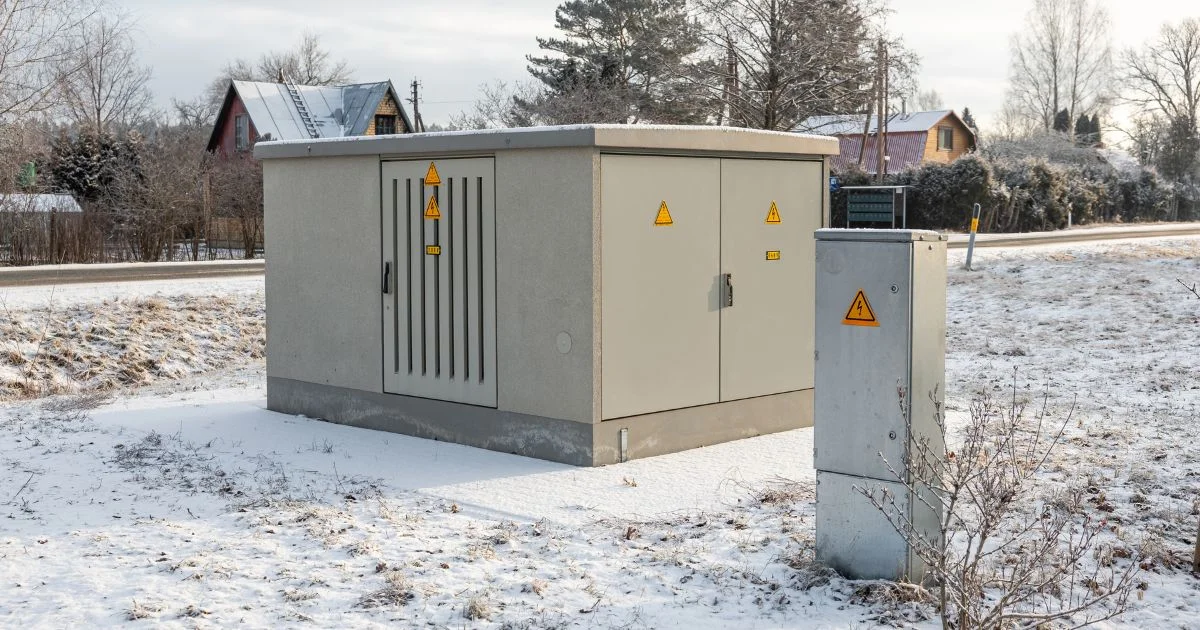
Renewable energy installations sit exposed to weather for 20-30 years. Solar inverters face UV radiation. Wind turbine transformers withstand temperature cycling from -40°C to +60°C while enduring constant vibration. These demanding renewable energy applications require components engineered for environmental resilience.
Moisture ingress is inevitable without protection. Dew, rain, snow, and humidity create paths for water to reach internal components. Encapsulation blocks these paths. Solar and wind installations push transformers to their limits—desert solar farms see temperature extremes from below freezing at night to over 50°C during peak sun, while offshore wind platforms face constant salt spray and vibration.
Rail and transportation systems face similar challenges. Transformers mounted under trains or on signal equipment are exposed to road salt, diesel exhaust, and vibration.
How Encapsulation Methods Differ
Different approaches provide varying protection levels. The right method depends on your specific threats.
Vacuum Pressure Impregnation (VPI)
Our custom VPI varnishing equipment applies electrical-grade varnish by submersing the product in electrical grade varnish and pulling a vacuum to aid in varnish penetration into the product. Our Vacuum Pressure Impregnation process uses vacuum levels as low as -30 in.Hg to ensuring complete penetration into every void between wire turns and layers.
This process provides maximum protection from moisture and dust ingress. The varnish also creates a continuous insulating film that prevents tracking and increases surface resistance. The result is void-free encapsulation that maximizes dielectric strength and moisture resistance.
From a thermal perspective, varnishing also offers protection against moisture and contamination while maintaining good thermal performance for air-cooled designs.
This process suits larger transformers where solid encapsulation would create thermal issues. The varnish provides excellent insulation while still allowing heat transfer through convection.
Solid Potting Compounds
Solid potting encapsulates the entire transformer in solid epoxy, polyurethane, or silicone. This provides maximum mechanical strength and complete environmental sealing. Potted transformers can be submerged, buried, or exposed to extreme conditions.
The trade-off is thermal performance. Solid materials conduct heat less efficiently than air or varnish. Design must account for this by using lower power densities or incorporating thermal management features.
Material selection matters. Epoxies offer high mechanical strength and excellent moisture resistance. Polyurethanes offer greater flexibility during thermal cycling. Silicones handle extreme temperatures but cost more.
Design Considerations for Harsh Environment Transformers
Specifying encapsulated transformers requires thinking beyond basic electrical parameters. Environmental factors directly affect design choices. Canadian electrical infrastructure standards establish safety and reliability requirements that drive transformer protection specifications, particularly for equipment in exposed or harsh conditions.
Thermal Management and environmental testing
Encapsulation materials affect how heat moves from windings to the surrounding air. Designers must account for this thermal resistance when selecting a potting material and calculating temperature rise. Standard temperature class ratings still apply but achieving them requires more conservative designs.
Thermal cycling testing becomes essential. Testing from -34°C to +190°C verifies that encapsulation materials won't crack or separate during temperature swings. This catches problems before field deployment.
Relative humidity testing from 10% to 98% confirms that moisture protection remains effective even in near-condensing conditions. Combined thermal and humidity cycling reveals vulnerabilities that single-variable tests miss. Comprehensive testing protocols ensure encapsulation performs as designed.
Mechanical Requirements
Vibration-intensive applications need encapsulation materials that also provide mechanical reinforcement. The potting compound bonds windings and core together, preventing movement that could cause abrasion or broken connections.
Shock resistance improves similarly. Solid encapsulation distributes impact forces across the entire structure rather than concentrating stress on individual wire turns or solder joints.
Electrical Performance
Encapsulation changes capacitance between windings and affects high-frequency performance. For switch-mode power supplies and pulse transformers, these parasitic effects must be considered during design.
Dielectric strength typically improves with proper encapsulation. The solid barrier eliminates air gaps where corona discharge could develop. Corona testing up to 30 kV with partial discharge detection down to 2 pC confirms that encapsulation has eliminated these risks when specified.
Industries That Rely on Encapsulated Transformers
Certain sectors depend almost exclusively on encapsulated designs because their operating conditions don't permit alternatives.
Renewable Energy Systems
Solar and wind installations represent the fastest-growing application. These systems must survive 20-30 years outdoors with minimal maintenance.
Standard transformers can't meet this requirement. DC fast chargers for electric vehicles face similar demands. Charging stations are often installed outdoors in parking lots and along highways. The transformers inside must handle temperature extremes, moisture, and years of continuous operation.
Rail and Marine Transportation
Transit systems worldwide deploy encapsulated transformers in subway cars, light rail vehicles, and locomotives. The constant vibration, thermal cycling, and exposure to brake dust would destroy unprotected components within months.
Ships and offshore platforms use encapsulated designs throughout power distribution systems. The salt-spray environment offers no other option.
Defense and Aerospace
Military systems operate in conditions that commercial equipment never faces. Desert heat, Arctic cold, tropical humidity, and sand ingress all threaten electronic components. AS9100 registered manufacturers understand these requirements.
Aerospace applications add altitude and reduced atmospheric pressure to environmental challenges. Encapsulation prevents corona discharge that would occur at altitude with standard insulation.
Industrial Automation
Factory floors present harsh conditions despite being indoors. Coolant mist from machining, chemical vapors from processing, and accumulated dust attack electrical components. Encapsulated control transformers survive where standard units fail repeatedly.
Wastewater treatment and chemical processing facilities need encapsulated designs to handle corrosive atmospheres.
Making Encapsulation Work for Your Application
Choosing between standard and encapsulated transformers comes down to environmental reality. If your installation is exposed to moisture, contamination, vibration, or extreme temperatures, encapsulation extends service life and prevents premature failures.
For critical applications where failure creates safety risks or expensive downtime, the return on proper protection is clear. Not every encapsulation method suits every application. Vacuum pressure impregnation works well for larger units where heat dissipation matters. Solid potting provides maximum protection for compact designs or extreme environments.
At Electronic Craftsmen, our vacuum encapsulation capabilities and environmental testing verify performance before deployment. With decades of experience supporting aerospace, marine, and industrial applications, we understand what it takes to make transformers survive where others fail.
Facing environmental challenges with your power systems? Let's discuss how encapsulation can protect your equipment in the conditions you actually face.