Why Medical Devices Use Custom Isolation Transformers
Ever wonder why an MRI scan gets cancelled mid-procedure? Often, it's a power problem. A voltage spike disrupts the imaging system. Ground loop noise corrupts the data. Or worse, leakage current creates a safety hazard with the patient on the table.
Medical equipment faces electrical challenges that standard transformers can't handle. Hospitals need components that protect patients, maintain clear diagnostic readings, and meet strict safety rules. That's why medical devices use custom isolation transformers built specifically for healthcare.
These transformers do more than change voltage levels. They create electrical barriers that prevent shock hazards, block interference, and keep sensitive equipment running reliably. This article explains what makes medical isolation transformers special and why custom designs matter in modern healthcare.
The Power Problems in Medical Facilities
Hospitals create tough electrical conditions. Multiple devices share the same circuits. Older wiring systems carry loads they weren't designed for. Critical machines run 24/7 without any margin for error.
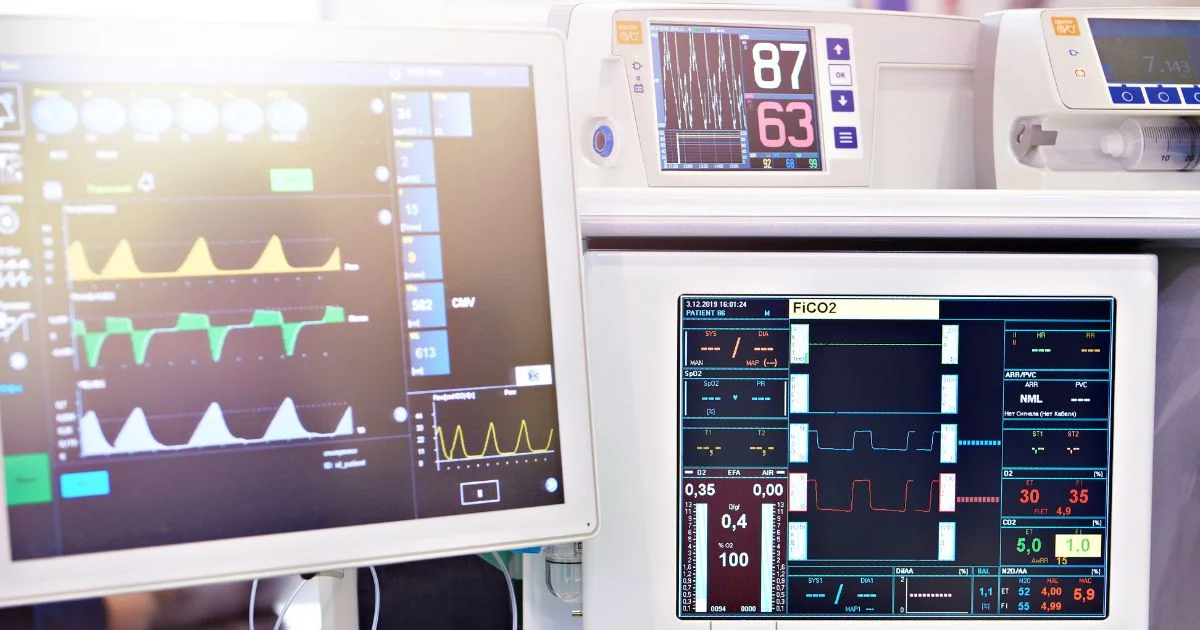
Diagnostic imaging needs stable power for clear pictures. Patient-connected equipment can't allow even tiny leakage currents. Monitoring devices must filter out noise that could hide important vital signs. Each type of equipment has specific needs that generic transformers don't address.
Ground loops cause real headaches. When devices connect to different ground points, unwanted current flows where it shouldn't. This creates noise in measurements and can damage equipment. Standard transformers with shared grounds can't stop this from happening.
Voltage spikes make everything worse. Motors, elevators, and HVAC systems send electrical disturbances through shared wiring. Without proper isolation, a single spike can affect multiple devices simultaneously. In operating rooms or ICUs, that's not acceptable.
Canada's Medical Devices Regulations require equipment to maintain electrical safety even during fault conditions. Custom isolation transformers help meet these requirements by completely separating power sources from patient-connected circuits.
What's Different About Medical Isolation
Medical isolation transformers aren't just stronger standard units. They're designed from scratch to protect patients and keep diagnostic equipment working accurately.
Extra Insulation Layers
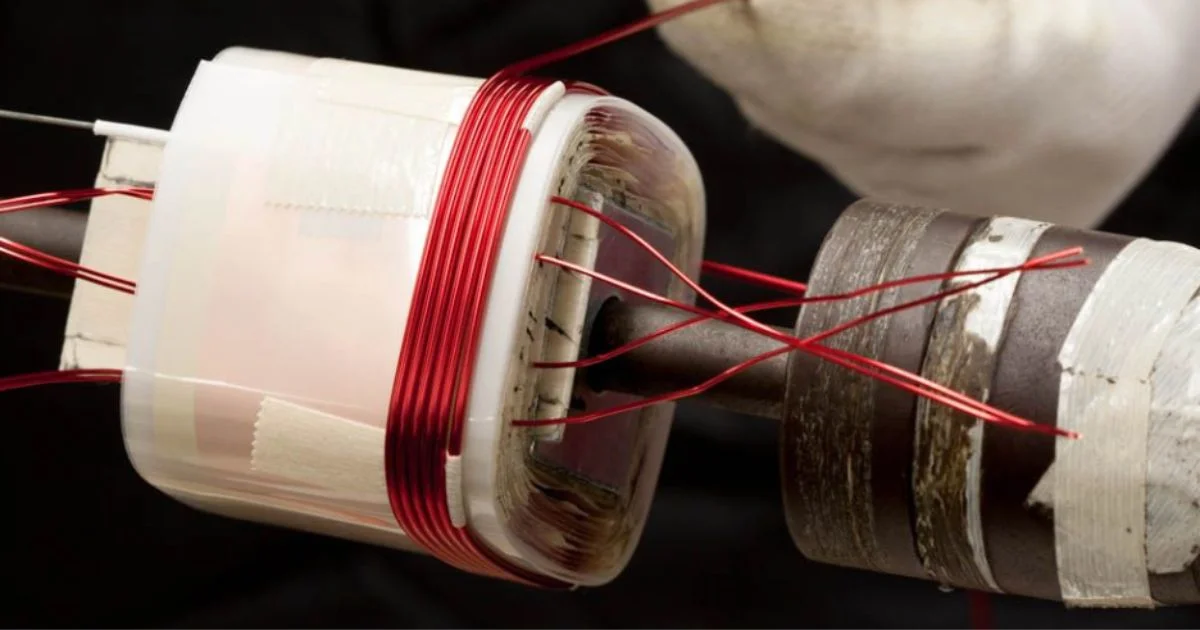
Medical-grade transformers use multiple insulation barriers between primary and secondary windings. These barriers stop electrical faults from reaching patient-connected circuits even under extreme conditions.
The spacing between windings exceeds standard requirements to prevent electrical breakdown across insulation surfaces. Class 220°C insulation materials handle sustained heat inside enclosed medical equipment.
Very Low Leakage Current
Patient safety standards put strict limits on how much current can leak through isolation barriers. Medical transformers achieve this through careful construction and special materials.
The way the windings are arranged reduces unwanted electrical coupling between the primary and secondary sides. Shielding layers add more protection. Every design choice aims to keep leakage current well below safety limits—often under 100 microamperes during normal use.
Better Noise Blocking
Medical devices pick up interference from their surroundings. Custom isolation transformers stop common-mode noise that would otherwise ruin sensitive measurements.
The complete electrical separation prevents noise from jumping between circuits. This matters for equipment like patient monitors, where even small interference can obscure real physiological signals. The transformer acts as a barrier, keeping electrical noise from the power system out of the diagnostic circuitry.
Why Custom Beats Standard
Off-the-shelf medical transformers exist, but they're built for general use. Custom designs match your specific equipment requirements in ways standard units can't.
Exact Voltage Matching
Medical devices often need precise voltage levels that don't match standard transformer outputs. An ultrasound system might need 115V with tight regulation. A surgical laser requires specific voltage ratios. Custom transformers deliver exactly what your equipment needs without compromise.
Standard transformers force you to work around their fixed specifications. Custom units eliminate these workarounds by providing the right voltage from the start.
Size and Mounting Flexibility
Medical equipment has tight space constraints. A bedside monitor needs a compact transformer that fits inside its housing. Mobile diagnostic carts require lightweight units that don't add bulk. Custom transformers can be shaped and sized to fit your exact space limitations.
Standard transformers come in fixed form factors. If one doesn't fit your enclosure, you're stuck redesigning around it. Custom designs adapt to your mechanical requirements instead of forcing you to adapt to theirs.
Specific Safety Features
Different medical applications need different safety protections. Operating room equipment might require extra shielding. Portable devices need additional mechanical protection. Imaging systems benefit from enhanced thermal management.
Custom transformers include the safety features your application needs. You're not paying for unnecessary capabilities or lacking critical ones. The design matches your equipment's specific risk profile and use environment.
Applications That Need Custom Medical Isolation
Some medical devices absolutely require custom isolation transformers. Here's where they make the biggest difference.
Diagnostic Imaging Systems
MRI machines, CT scanners, and ultrasound systems depend on clean, stable power. Electrical interference shows up in images as artifacts that obscure diagnostic information.
Custom isolation transformers for imaging equipment provide extremely low noise and tight voltage regulation. Multiple shields block electromagnetic interference from nearby equipment, resulting in clearer images and more accurate diagnoses.
Patient Monitoring Equipment
ECG monitors, pulse oximeters, and other patient-connected devices must eliminate leakage current that could shock patients while rejecting interference that might mask physiological signals.
Custom transformers achieve leakage currents well below safety limits while maintaining signal integrity through special winding techniques and shielding arrangements.
Surgical Equipment
Operating room devices face unique challenges. Surgical lasers need precise power control. Electrosurgical units generate high-frequency interference. Anaesthesia machines must run without interruption.
Custom isolation transformers for surgical applications include thermal protection and fault monitoring for demanding operating room conditions where reliability is critical.
Portable Medical Devices
Mobile diagnostic equipment, portable ultrasound systems, and bedside monitors require compact, lightweight transformers that provide full electrical isolation and safety features.
Custom designs optimize size and weight without compromising performance, often including ruggedized construction to handle frequent movement and transportation.
Key Design Considerations
Building a medical isolation transformer requires attention to specific technical details that affect both safety and performance.
Leakage Current Limits
Different medical applications have different leakage current requirements. Patient-connected equipment typically must stay below 100 microamperes, though some applications require even lower levels.
The transformer design directly affects leakage current through winding arrangement, insulation materials, and internal shielding. Custom designs can target specific leakage current levels based on your equipment's classification and intended use.
Voltage Regulation
Medical devices often need tight voltage regulation to function properly. Imaging systems might require ±2% regulation, while other equipment can tolerate wider variations.
Custom transformers can be designed with specific regulation targets by selecting core materials, adjusting winding ratios, or incorporating load-compensation features to maintain a stable output voltage under varying conditions.
EMI/EMC Performance
Electromagnetic compatibility matters in medical environments where many devices operate close together. Equipment must not interfere with other devices and must resist external interference.
Custom isolation transformers can include specific shielding and filtering to meet EMI/EMC requirements through multiple shields, special winding arrangements, or integrated filtering.
Thermal Management
Medical equipment often operates in enclosed spaces with limited airflow. Transformers must handle operating temperature without overheating or reducing performance.
Custom designs optimize thermal performance through core material selection, winding techniques, and encapsulation methods—especially important for equipment that runs continuously.
Why Work with Electronic Craftsmen
Designing medical isolation transformers requires specialized knowledge and manufacturing capabilities that few suppliers offer.
Medical Device Experience
Electronic Craftsmen has decades of experience building transformers for medical equipment manufacturers. Our engineering team works directly with medical device designers to develop transformers that meet specific application needs.
We've built isolation transformers for imaging systems, patient monitors, surgical equipment, and portable diagnostic devices.
Complete Testing Capabilities
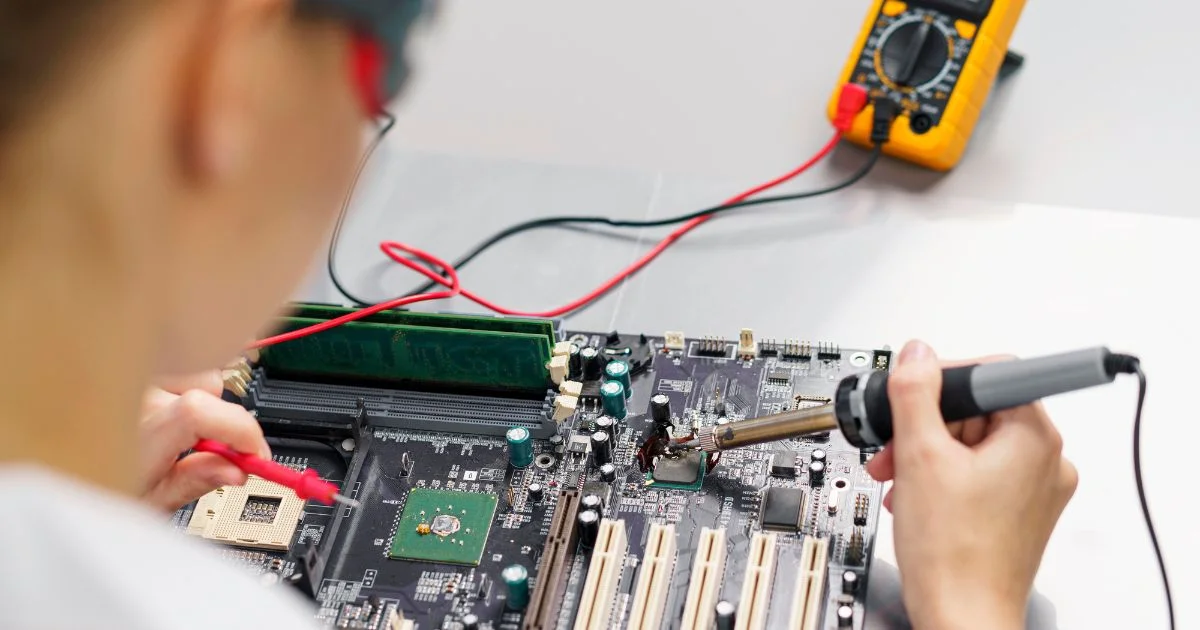
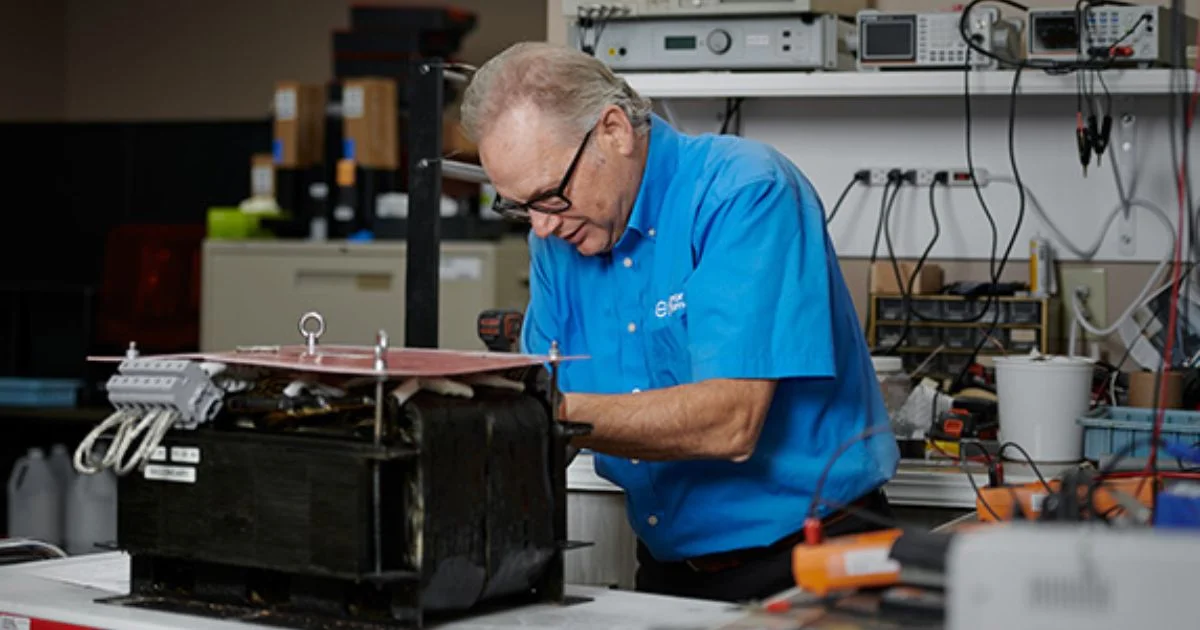
Our facility includes the testing equipment needed to verify the performance of medical isolation transformers. Corona testing up to 30 kV with partial discharge detection down to 2 pC, when specified, helps confirm insulation integrity. Thermal cycling from -34°C to +190°C validates performance across temperature extremes.
These in-house testing capabilities speed development and ensure every transformer meets its specifications before delivery. You don't wait for external test labs or deal with multiple vendors.
AS9100 and ISO9001 Registration
Our quality management system meets the stringent requirements of AS9100 and ISO9001 certification. This ensures consistent manufacturing processes and complete traceability—both of which are important for medical device suppliers.
The documentation and process controls required by these standards align well with those for medical device manufacturing. Working with a registered supplier simplifies your own quality management and regulatory compliance efforts.
Custom Design Flexibility
We design transformers to match your exact specifications. Need a specific voltage ratio? Tight space constraints? Unusual mounting requirements? Custom designs accommodate these needs without forcing compromises.
Our design database includes over 10,000 transformer configurations. This experience base helps us develop new designs efficiently while avoiding common pitfalls. We can often adapt proven approaches to new applications, reducing development time.
Making the Right Choice
Medical isolation transformers directly affect both patient safety and equipment performance. The wrong choice creates safety risks, reduces diagnostic accuracy, or leads to equipment failures. The right choice provides reliable protection and lasting performance.
Custom designs cost more than standard transformers, but they deliver value through better performance, easier integration, and fewer compromises. For medical equipment where safety and reliability matter most, custom isolation transformers are the right investment.
If your medical device needs reliable electrical isolation, let's talk about designing a transformer that meets your specific requirements without compromise.