What are Isolation Transformers?
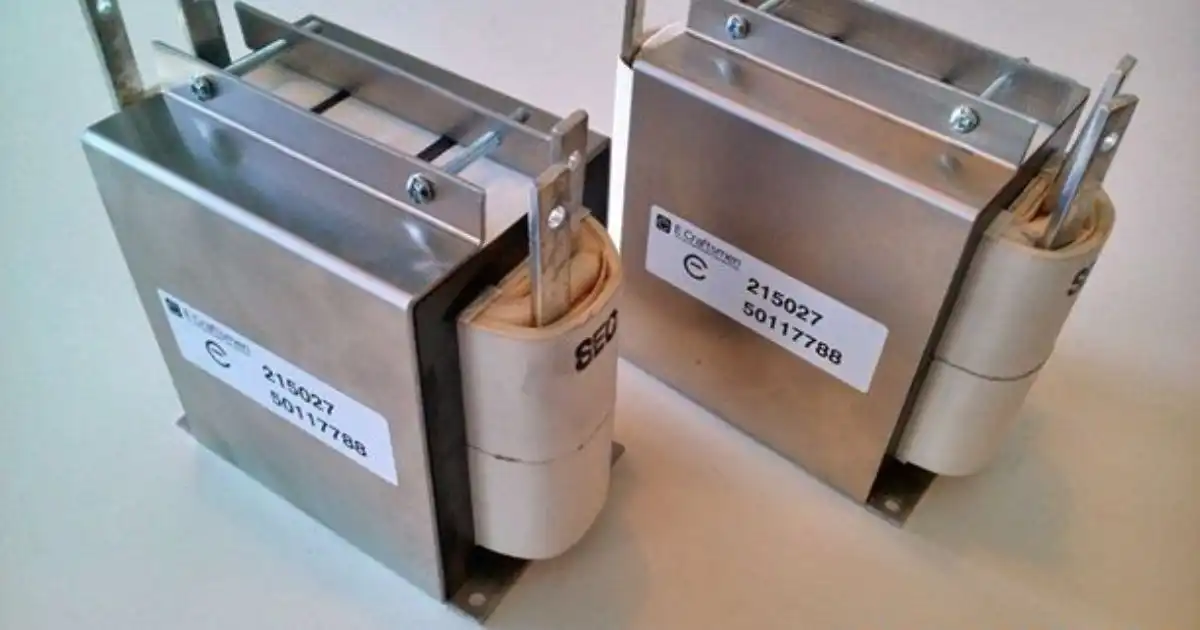
Electrical faults don't announce themselves. One minute your system's running fine. The next, a ground loop takes out your control board or sends stray voltage into sensitive equipment. That's why isolation transformers exist.
Unlike standard power transformers that only shift voltage levels, isolation transformers separate circuits entirely. From medical imaging to avionics to factory automation, isolation isn't optional—it's a design requirement for transformer safety and signal clarity.
Not every transformer provides isolation. As regulatory requirements tighten, the need for correctly specified magnetics keeps growing, which is why Electronic Craftsmen's transformer design capabilities are built around exact application requirements, not off-the-shelf defaults. Standard power transformers handle voltage conversion well but don't always provide the electrical separation needed for transformer safety.
This article breaks down what isolation transformers do, how they differ from other magnetic components, and what to consider when specifying them for your application.
Why Isolation Goes Beyond Voltage
It's easy to assume a transformer's job is just converting voltage. While that's one role, isolation transformers serve a different purpose. They block unwanted electrical interactions between circuits.
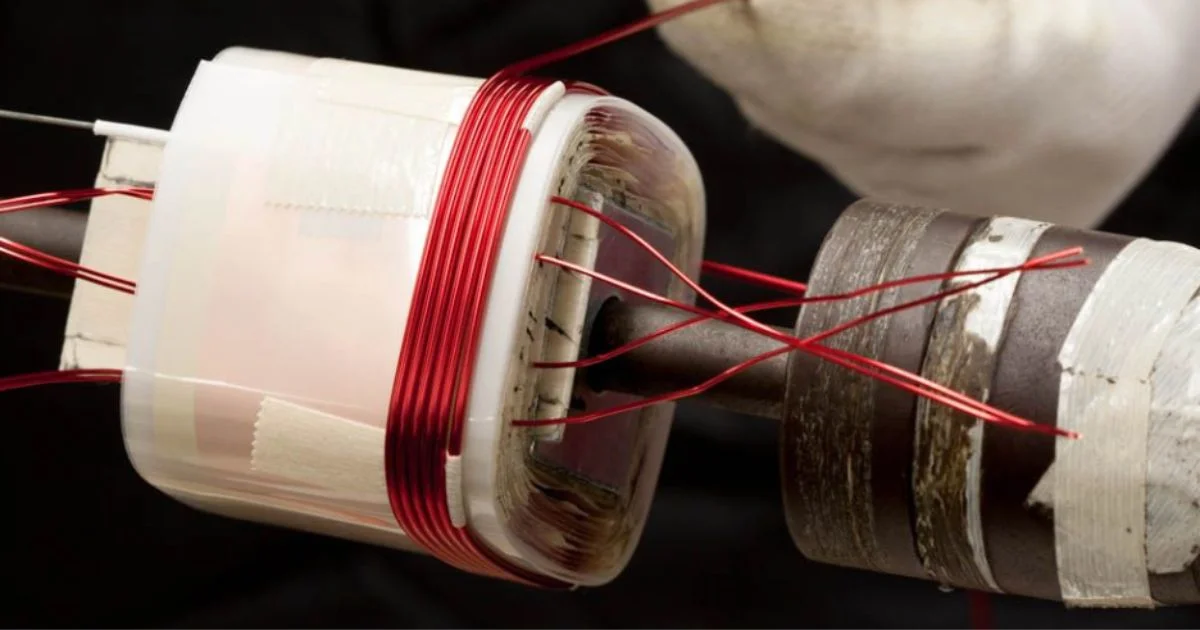
Here's how they work. An isolation transformer contains two windings: a primary and a secondary. They're magnetically coupled but not electrically connected. Power transfers through magnetic induction, not direct conduction. That physical separation insulates the load side from the source side.
Autotransformers work differently. They use a shared winding to reduce material and footprint. They're efficient for stepping voltage up or down. But they don't provide electrical isolation. For systems that rely on uninterrupted signal clarity or transformer safety boundaries, that shared connection creates risk.
What an Isolation Transformer Really Does
The main purpose isn't voltage adjustment—it's electrical decoupling. This brings several important benefits to real-world systems:
Blocking Ground Loops
When two devices share a ground but have slightly different potentials, a ground loop can form. This loop allows unintended current to flow through signal lines. The result? Noise, distortion, or system damage. An isolation transformer breaks that loop by eliminating the shared electrical path.
Filtering Line Noise and EMI
Power lines often carry high-frequency noise, switching spikes, or transient disturbances. These can interfere with sensitive electronics, particularly in medical or test systems. Isolation transformers reduce this interference. They act as a natural barrier, stopping common-mode noise from crossing between circuits.
Preventing Fault Propagation
In a fault event like a voltage surge or internal short, an isolation transformer can limit how far the fault travels. By physically separating the two sides, it keeps damage contained. It protects downstream components that may not be rated for sudden spikes or surges.
Meeting Regulatory Safety Standards
In applications involving human interaction, isolation transformers help meet safety codes. Think patient-connected devices or operator control panels. These include UL, IEC, or CSA standards that require galvanic isolation between user-accessible circuits and power sources.
Some industries, like aerospace, add even more stringent guidelines for voltage breakdown and thermal behaviour.
Where Isolation Transformers Are Used
Aerospace Systems
In aerospace electronics, 400Hz power systems are common. They're used for weight and efficiency considerations. These systems power flight control computers, radar, and navigation instruments. Isolation transformers help keep these subsystems electrically clean and resilient. They work even during voltage swings or electromagnetic interference.
Their designs often conform to specifications like MIL-PRF-27. AS9100 registration ensures consistent quality and traceability for these demanding applications where insulation, shielding, and long-term durability are essential. These aren't your typical power transformers. They're built for harsh environments and strict transformer safety requirements.
Medical Equipment
Diagnostic imaging machines, infusion pumps, and surgical devices must meet strict electrical safety requirements. Even small leakage currents can pose serious risks. Isolation transformers provide a critical layer of protection. They separate high-voltage power from low-voltage patient-connected circuits.
Designs in this space often require high dielectric strength, Class 220 insulation, and antifungal coatings for hygiene compliance. Medical-grade units prioritize transformer safety above all else. Patient protection depends on reliable electrical separation.
Industrial Automation
Automation systems rely on controllers, sensors, and drives. All of these can be disrupted by unstable or noisy power. In facilities with older wiring or multiple voltage zones, isolation transformers help decouple power sources from sensitive control systems. This is especially valuable when upgrading equipment in mixed-technology environments.
Isolation is particularly useful in robotics and conveyor control systems. Here, low-voltage sensors operate alongside high-power drives. It also helps stabilize HVAC controllers, building management units, and other systems where shared power lines create unpredictable ground references.
R&D and Test Labs
Labs often need ultra-stable, noise-free power. This is critical for oscilloscopes, signal generators, and data acquisition equipment. Isolation transformers eliminate unwanted noise from power lines. They help ensure accurate results and repeatable testing conditions. Many setups also rely on them for transformer safety when operating with exposed conductors or floating grounds.
The Wrong Transformer Can Create the Wrong Outcome
Not every transformer isolates. In fact, most autotransformers (which are popular for their compact size and cost efficiency) aren't electrically isolated.
They share a winding and therefore a ground path. That's fine for many lighting or HVAC systems. But it creates safety risks in applications requiring electrical isolation.
Here's what a true isolation transformer offers instead:
No shared conductors between input and output
Physical and dielectric separation that meets safety standards
Reduced risk of transient coupling or noise injection
Easier compliance with EMC and safety testing
Using an autotransformer when you need isolation can lead to unpredictable ground paths. It can cause EMI issues or non-compliance with safety inspections. For OEMs, it can mean redesigns or failed certifications. The difference between power transformers and isolation units matters in critical applications.
What to Consider in Isolation Transformer Design
When specifying an isolation transformer, electrical specs are only part of the equation. Engineers also need to consider form factor, environmental conditions, and long-term reliability. Custom isolation transformers often provide better solutions than off-the-shelf units.
Windings and Spacing
The physical distance between windings determines insulation strength. Adequate creepage and clearance are essential. This is especially true for higher voltages or applications with exposure to moisture, altitude, or contaminants.
Thermal Properties
Systems operating in confined spaces or fluctuating climates need materials that can handle thermal stress. Look for insulation systems rated to Class 220°C. Consider encapsulation options for vibration-heavy or outdoor applications. These requirements go beyond what standard power transformers typically handle.
Core Selection
Core type affects performance and noise rejection. Ferrite cores are typically used for high-frequency isolation. Laminated cores handle low-frequency loads with greater efficiency. The right core depends on switching frequency, harmonics, and thermal rise expectations.
Test and Compliance Capabilities
For aerospace, defence, or medical applications, testing may be required. This includes partial discharge testing, dielectric withstand, and thermal cycling. Corona testing capabilities up to 20kVac help confirm that the transformer meets its isolation rating over time, not just at first power-up.
Why Custom Isolation Designs Are Often Better
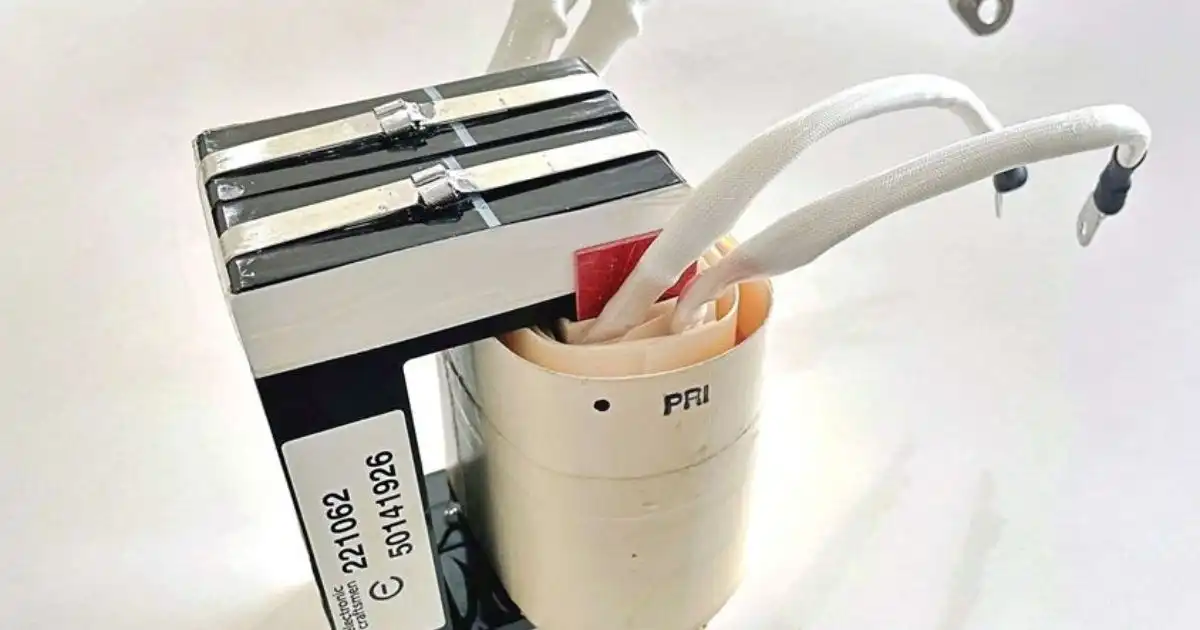
Off-the-shelf isolation transformers work for general-purpose builds. But most applications eventually need something more specific. That might be smaller dimensions, multi-tap windings, specific insulation ratings, or built-in shielding.
That's why teams turn to custom isolation transformers. These meet the exact demands of the product and environment. Custom units can integrate multiple functions that standard power transformers can't handle.
Electronic Craftsmen supports these needs with:
In-house thermal and electrical modelling
Precision winding styles including toroidal, foil, and flat wire
High-voltage encapsulation, corona testing, and mechanical customization
Whether embedded into SMPS builds, LED controllers, or motor drive systems, these custom units allow teams to design confidently. They don't have to overengineer workarounds. Custom isolation transformers deliver exactly what's needed without compromise.
Some applications now request multi-function magnetic assemblies. These combine isolation, EMI shielding, and harmonic filtering in a single potted unit. These reduce part count, simplify PCB routing, and help meet emissions testing faster—all while maintaining certified electrical separation.
When Should You Use Isolation?
Isolation transformers aren't always required. But when they are, they're critical. Here's how to decide:
Use isolation if:
You're protecting digital controls or medical-grade equipment
You need to meet safety standards that require circuit separation
Your system has inconsistent grounding or exposed conductors
You want to block upstream noise from entering control systems
Use an autotransformer or standard unit if:
Your load doesn't require ground separation
Voltage step-up/down is the only requirement
You're working within cost or size limits and can accept coupling
Isolation transformers aren't about doing more. They're about doing the right thing where transformer safety, clarity, and longevity matter.
Why Isolation Matters More Than You Think
In high-stakes systems, the best components are often the ones you never notice. They work exactly as expected. Isolation transformers don't generate headlines. But without them, voltage spikes, signal bleed, or hidden feedback loops can undermine performance.
These components do more than basic power conversion. They protect fragile electronics, stabilize control systems, and create the separation needed to pass inspections. They help meet global safety standards.
They're also the difference between constant troubleshooting and clean, reliable uptime. You know when a system just works consistently? That's often isolation doing its job in the background. When transformer safety is critical, isolation becomes non-negotiable.
When planned early, isolation is precise and isn't bulky or overbuilt. It's the protection layer that reduces noise and improves signal integrity in downstream circuits. And it's often the safeguard that teams only notice once it's missing.
If your current setup relies on workarounds or assumptions about electrical separation, it may be time to rethink isolation's role. Purpose-built transformers do more than prevent failure. They make compliance easier, reduce long-term risk, and keep your design focused on performance instead of problems.
Teams that plan for proper isolation early often avoid the costly redesigns that come later. If voltage instability, inspection failures, or EMI are holding you back, let's talk about how isolation can be designed into the solution. Custom isolation transformers can solve problems that standard power transformers simply can't handle.