Why Customer Service Matters in Custom Magnetics

Walk into any engineering meeting about supplier problems and you'll hear the same frustration: the magnetics vendor who disappears after the purchase order is signed, the one who takes four days to answer a simple technical question, the manufacturer who built exactly what you specified while knowing it wouldn't work in your application.
These aren't isolated incidents. They're patterns that surface across industries, and they cost real money. A transformer fails in the field; you call for support, and no one answers. You email, and three days pass before someone responds. By then, downtime has hit $40,000, and your client is threatening to pull the contract.
Service problems like this create business risks. Customer service in custom magnetics determines whether your supplier can answer technical questions during prototyping, troubleshoot field failures at 6 PM on a Friday, or flag specification problems before you've committed to production tooling.
When you're designing aviation power systems or medical equipment, the responsive magnetics manufacturer you choose becomes part of your engineering team. Poor choices derail projects, break schedules, and cost real money when problems surface, and no one's there to help solve them.
When Responsiveness Actually Matters
A responsive manufacturer matters most when something goes wrong or changes mid-project. Your prototype works in the lab but fails thermal testing, and you need to know why today because production tooling is scheduled for next week. Your client changes a specification three weeks before delivery, and now the original transformer design won't fit the enclosure. A supplier who takes four days to respond turns a fixable problem into a crisis.
Engineering support during development prevents these situations. When a magnetics supplier reviews your application requirements before quoting, they catch issues early. Operating frequency sitting near a core material's performance edge or thermal budget mismatched to the specified wire gauge?
You need to know during the design phase, not after building 50 prototypes. Core material selection drives thermal performance, efficiency, and size, so catching mismatches early saves both time and prototype costs. Some manufacturers quote whatever you ask for and build it exactly as specified, even knowing it won't work in your application.
Access to Design Engineers Changes Everything
You call with a question about inductance tolerance affecting switching frequency, and the person who answers can't help. They forward it to someone else who's in a meeting, and you get a call back tomorrow if you're lucky. That delay costs you a day of prototyping, and if the answer requires a design change, it cascades into your entire schedule.
Direct access to experienced designers eliminates that lag. When the person answering the phone designed your part, you get real answers immediately about why a specific core material was chosen, what happens if you increase current by 15%, or whether a tighter tolerance is achievable.
Electronic Craftsmen keeps experienced designers on-site for exactly this reason, so when you call, you're talking to someone who understands magnetics at the component level.
Technical Collaboration During Prototyping
Prototyping is where most projects either succeed or expose problems that should have been caught earlier. A good supplier treats prototyping as a design validation step, testing against your specifications while also evaluating whether the design will survive your actual operating conditions.
Applications involving shock and vibration? They'll flag mounting concerns before you discover them in the field. Limited airflow in your enclosure? They'll verify thermal performance under realistic conditions. That level of involvement requires a supplier willing to invest time in understanding your application.
Some manufacturers build prototypes to print and ship them without comment. When selecting a custom inductor vendor, prioritize suppliers who approach prototyping as a partnership, reviewing your design, suggesting improvements, and explaining trade-offs to prevent expensive mistakes before production.
Suppliers with ISO 9001-certified quality management systems maintain documented processes that support consistent design review and validation practices. This collaborative approach matters especially in applications where inductors, chokes, and reactors serve different filtering or energy storage functions, since selecting the wrong component type early creates problems that testing reveals too late.
The Real Cost of Poor Communication
Poor communication compounds. A delayed answer means a delayed design decision, which pushes prototyping back. If the prototype reveals a problem, another round of communication delays pushes production even further.
When technical questions take days to answer, every iteration adds a week to your timeline, and schedule buffers disappear in back-and-forth lag. What should have been a three-month project stretches to six, and somewhere along the way, your client loses confidence in your ability to deliver.
Worse, some suppliers are responsive during sales and disappear after the purchase order is signed. You get fast answers when they want your business and radio silence once they have it. The best indicator of post-sale support is how a supplier handles questions before you've committed to anything.
Problem-Solving Under Pressure
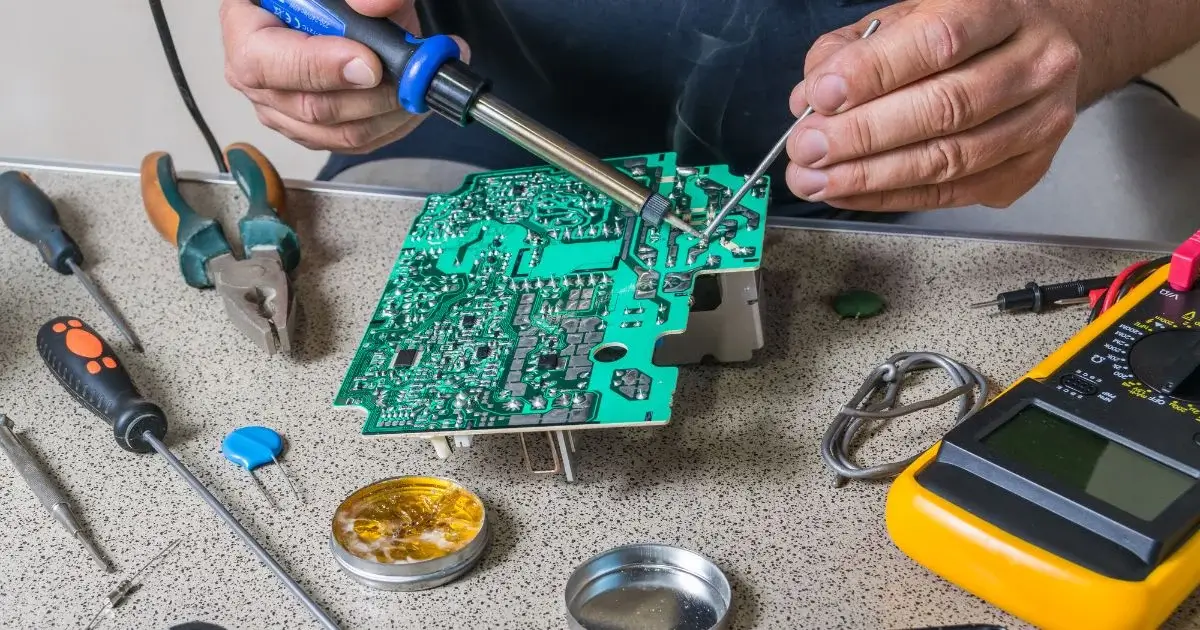
Equipment fails in the field, and a transformer overheats and takes out a circuit board. You need a replacement immediately, but the original design is three years old, and you're not sure what's causing the failure.
A responsive manufacturer doesn't just ship a replacement. They ask what failed, how it failed, and what changed in the application since the original design. Sometimes the transformer itself is fine, but the operating conditions shifted with higher ambient temperatures, increased duty cycle, or voltage transients that the original design wasn't built to handle.
Without that diagnostic conversation, you're just repeating the same failure in a few months.
A supplier willing to dig into field failures helps you solve the root cause. We've had clients call with failures that traced back to installation errors rather than component problems, and pointing that out doesn't win us a sale, but it builds trust for the next time they have a real magnetics problem.
Long-Term Relationship Value
Projects rarely happen once. If you're building equipment that stays in production for years, you'll need repeat orders, design revisions, and occasional troubleshooting support throughout the product's lifecycle. A supplier who views each project as a transaction won't be there when you need support two years later because documentation is missing or the engineer who designed your part has left the company.
Suppliers who prioritize long-term relationships keep detailed records of every design. When you call three years later asking about a specification change, they pull your file and know exactly what you're talking about. That continuity matters when you're scaling production, making running changes, or adapting designs for new applications.
What makes a true manufacturing partner becomes clear when you need someone who remembers your designs and anticipates your needs rather than treating every inquiry as a first contact.
What Collaborative Customer Service Looks Like in Custom Magnetics
You're designing a power supply for a rail application, and the specification calls for a specific transformer. The supplier reviews it and suggests a different core material that'll improve efficiency by 8% without changing the footprint, saving you $12 per unit in energy costs over the transformer's lifespan.
Or you're three weeks from production and a component goes obsolete, so someone responsive finds an alternative, tests it, and confirms compatibility before your schedule slips. A thermal issue surfaces during validation testing, and instead of waiting for you to troubleshoot it, the supplier runs calculations, identifies the problem, and proposes a fix the same day.
When your production forecast changes and you need to delay delivery by two weeks, they adjust the schedule without penalties or complaints. The difference shows up in dozens of small interactions over the life of a project: fast responses to technical questions, clear explanations when something can't be done, proactive suggestions when a design could be improved, and honest timelines instead of optimistic promises.
Evaluating Service Before You Commit
Most companies don't evaluate service until after they've picked a supplier and run into problems, but by then, switching costs money and time. Better approach: test responsiveness during the quoting process by asking technical questions and seeing how long it takes to get answers and whether those answers demonstrate actual expertise.
If you're getting vague responses or delays before you've signed anything, expect worse once you have. Ask about support during prototyping. Will you have direct access to the designer, or does everything route through a project manager? How do they handle design changes mid-project, and what happens if a prototype fails testing?
Check whether they'll review your application before quoting, because a supplier who quotes based only on your written spec without asking about operating conditions is gambling that the design will work.
Ask existing customers. If a manufacturer's past clients say communication was slow or technical support was nonexistent, believe them. According to the American Society for Quality, previous experience and technical support availability are among the most critical supplier selection criteria—making past client feedback a reliable predictor of future service quality.
If you're evaluating suppliers and want to see how responsiveness and engineering support work in practice, start a conversation about your application.