What Does "Vertically Integrated" Mean for a Magnetics Manufacturer?
Ever waited weeks for a design change because your supplier had to coordinate with three vendors? That delay just cost you a launch window. In magnetics manufacturing, these bottlenecks happen when companies outsource critical capabilities. The result? Extended timelines, quality inconsistencies, and lost control.
Vertical integration changes this. When a magnetics manufacturer controls core grinding, winding, encapsulation, and testing under one roof, you get faster iterations, tighter quality control, and direct accountability. No middlemen. No excuses.
At Electronic Craftsmen, vertical integration is how we've operated for over 68 years. From our in-house machine shop to precision ferrite grinding, we control every step that affects your transformer's performance. This approach delivers what electronic manufacturing companies need: reliability, speed, and consistent quality.
Here's what that means for your projects. This post explains what vertical integration means in magnetics manufacturing, why controlling the full process creates measurable advantages over fragmented supply chains, and which applications benefit most from single-facility production.
What Vertical Integration Actually Means
Vertical integration means controlling multiple production stages internally rather than outsourcing them. For magnetics manufacturers, this includes design, core preparation, winding, encapsulation, testing, and quality assurance—all in one facility.
The typical approach looks different. Many electronic manufacturing companies source cores from one supplier, wind them at another facility, and send them elsewhere for potting and testing. Each handoff introduces delays and quality risks. When something goes wrong, finger-pointing starts while your project stalls.
Single-facility production eliminates these handoffs entirely. Design changes get implemented immediately. Problems get caught and fixed in real time. The same engineering team that designed your component also builds it, tests it, and stands behind it. This creates both speed advantages and quality improvements that fragmented supply chains can't match.
Why Speed and Quality Improve Together
Time matters in product development. When your magnetics supplier controls the full manufacturing process, design iterations happen in days instead of weeks. But the speed advantage goes deeper than fast turnaround—it's about having the right capabilities available exactly when you need them.
Consider a common scenario. Your prototype testing shows the transformer runs slightly warm. With a vertically integrated manufacturer, the engineering team can adjust the core gap in the grinding department, rewind the unit with modified turns ratios, verify the changes with in-house testing equipment, and return it within days.
The same modification through multiple vendors requires shipping delays, vendor coordination, and separate quality checks at each facility. Weeks disappear. Quality improves for the same reason. When one team controls every variable affecting performance, they can optimize relationships that fragmented suppliers can't even see.
The engineer grinding your cores understands how gap dimensions affect the winding team's approach. The encapsulation specialist knows exactly which materials bond properly to your specific core preparation. Test results flow directly to the people who can act on them.
This coordination creates consistency. The same quality standards apply at every stage. No variation between vendors. No conflicting interpretations. When problems occur, root cause analysis is straightforward because the same engineering team handled every step. This closed-loop approach prevents issues from recurring across builds.
The Capabilities That Matter Most
Certain in-house capabilities create the biggest advantages for electronic manufacturing companies working on complex projects. These are the capabilities that determine whether your project meets specifications on schedule.
Precision Core Grinding
Ferrite core grinding makes a significant difference. Air gap dimensions directly affect inductance values, saturation characteristics, and temperature stability. Core material selection and gap geometry work together to determine performance. Precision grinding to 0.001" tolerances allows exact performance tuning without redesigning the entire core geometry.
In-house grinding eliminates common problems. Lead times drop from weeks to days. Custom gap geometries become practical even for small quantities. When testing reveals inductance needs adjustment, the cores can be reground immediately instead of ordering new parts. This flexibility accelerates development cycles considerably.
Multiple Winding Techniques
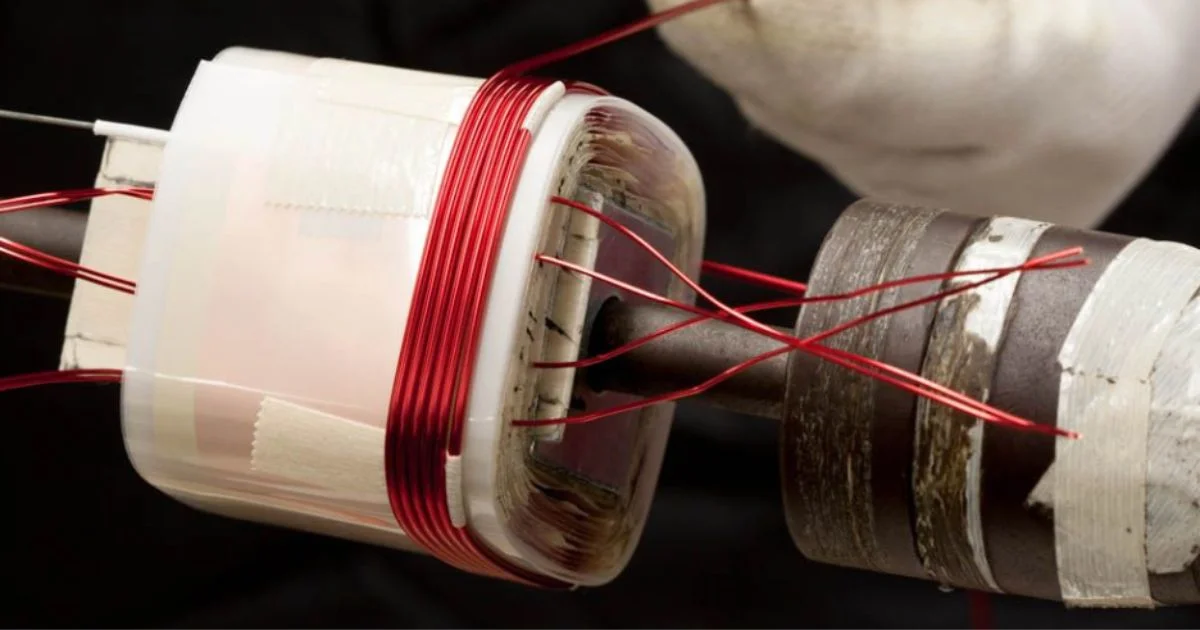
Different applications need different winding approaches. Toroidal winding works well for high-frequency applications requiring low EMI. Rectangular wire winding provides better thermal performance for high-current designs. Foil winding delivers superior performance at very high frequencies.
When all these techniques exist in the same facility using CNC-controlled equipment, switching between approaches becomes straightforward. Your design can evolve based on test results without finding new suppliers or negotiating new contracts. The same engineering team already understands your requirements.
Vacuum Encapsulation Control
Vacuum encapsulation protects transformers from moisture, vibration, and environmental stress. The quality of this process directly affects long-term reliability, yet many manufacturers outsource it to third-party potting houses. That creates problems.
In-house encapsulation systems with vacuum levels to 100 mTorr provide direct control over potting compounds, vacuum cycles, cure profiles, and quality verification. Environmental testing capabilities verify protection immediately thermal cycling from -73°C to +190°C stresses the potting material and reveals potential adhesion problems before shipment. For electronic manufacturing companies building equipment for harsh environments, this control is critical.
Integrated Testing and Feedback
Testing capabilities integrated with production enable immediate quality feedback. Problems get caught within hours of manufacturing, not weeks later when units return from external test houses.
In-house testing includes Voltech transformer testers with 0.05% tolerance verification, corona testing up to 30kVac with 2pC partial discharge detection, and thermal cycling chambers.
When specified, these tests happen immediately after production. More importantly, testing data feeds directly back to engineering and production teams.
If inductance values drift outside tolerance, winding programs get adjusted immediately. This prevents quality problems from persisting across builds and eliminates the delay of sending units out for third-party verification.
Canadian regulations for dry-type transformers and industrial equipment set standards that integrated testing capabilities help verify efficiently.
The Machine Shop Advantage
An in-house machine shop provides capabilities beyond standard magnetics manufacturing. Custom mounting brackets, specialized terminals, and prototype mechanical components can all be fabricated on-site without external delays.
This matters more than it sounds. When mechanical integration challenges arise, the same facility building your transformer can create the custom hardware needed to mount it properly.
Prototyping happens quickly. The machine shop also supports production efficiency by creating custom inspection fixtures for consistent quality checking and specialized winding fixtures for precise coil placement. This integrated manufacturing approach enables tighter process control and faster problem resolution.
For electronic manufacturing companies with unusual mechanical requirements, this flexibility eliminates compromises. The ability to design custom transformer manufacturing solutions alongside magnetic components means your mechanical constraints don't force suboptimal electrical designs.
Quality Systems and Traceability
When operations run under a single quality management system, traceability becomes straightforward. AS9100 and ISO9001 registration covering winding, encapsulation, grinding, and testing means one audit cycle instead of managing multiple vendor certifications.
Complete process control enables thorough traceability. Every transformer can be traced to specific material lots, winding programs, encapsulation batches, and test results.
For electronic manufacturing companies building regulated products, this eliminates compliance headaches. Certificate of Compliance documents include complete manufacturing history, not just final test data.
The alternative with fragmented suppliers? Partial traceability at best. Connecting records across multiple vendors requires coordination that often breaks down. When regulatory questions arise, reconstructing the full manufacturing history becomes difficult or impossible.
Who Benefits Most from Vertical Integration
Vertical integration provides the greatest value in specific scenarios. Complex custom designs benefit most from integrated capabilities because they require tight coordination between design, manufacturing, and testing. Off-the-shelf components don't need this level of control.
Applications requiring AS9100 or ISO9001 compliance need the unified quality systems that vertical integration enables. Aerospace and defence applications demand full traceability and rigorous quality control. Having one AS9100 registered facility handle all processes simplifies compliance dramatically compared to auditing multiple specialty vendors.
Medical equipment requires similar quality rigour plus rapid response to design changes. Health Canada's medical device regulations demand strict quality controls. When regulatory feedback requires modifications, vertically integrated manufacturers can implement improvements quickly without renegotiating contracts with multiple suppliers.
Renewable energy and industrial systems need transformers that survive harsh environments. In-house encapsulation control and environmental testing ensure protection meets requirements. Rail and marine power systems face similar environmental challenges, plus strict regulatory requirements that benefit from unified quality documentation.
Design engineers working on these applications value vertically integrated manufacturers for practical reasons. Custom magnetic components demand this level of coordination. Communication is simpler when one team handles everything.
Technical discussions cover all aspects of the design without coordinating across multiple vendors. When problems arise, accountability is clear. One purchase order. One quality system to audit. One point of contact for technical questions.
The Integration Advantage
Your transformer project involves dozens of interdependent variables. Core material selection affects winding geometry. Winding techniques impact thermal performance. Encapsulation methods determine environmental durability.
When different vendors handle each step, optimizing these relationships becomes nearly impossible. You're coordinating between teams that don't communicate directly.
Single-facility production solves this. The engineer adjusting your core gap understands how it affects the winding approach. The encapsulation specialist knows exactly how your cores were prepared. Test results flow directly to the team that can act on them.
This creates practical advantages for electronic manufacturing companies facing tight deadlines. Design issues get resolved in hours, not weeks.
Specification changes don't require renegotiating with multiple suppliers.
Documentation for AS9100 compliance comes from one source.
Electronic Craftsmen has operated this way for over six decades. When your application demands 0.001" grinding tolerances, vacuum levels to 100 mTorr, or thermal cycling across 260°C ranges, having these capabilities coordinated under one roof ensures they work together properly.
If your project needs the speed and control that vertical integration provides, contact us to discuss your requirements.